Tree Care During Winter
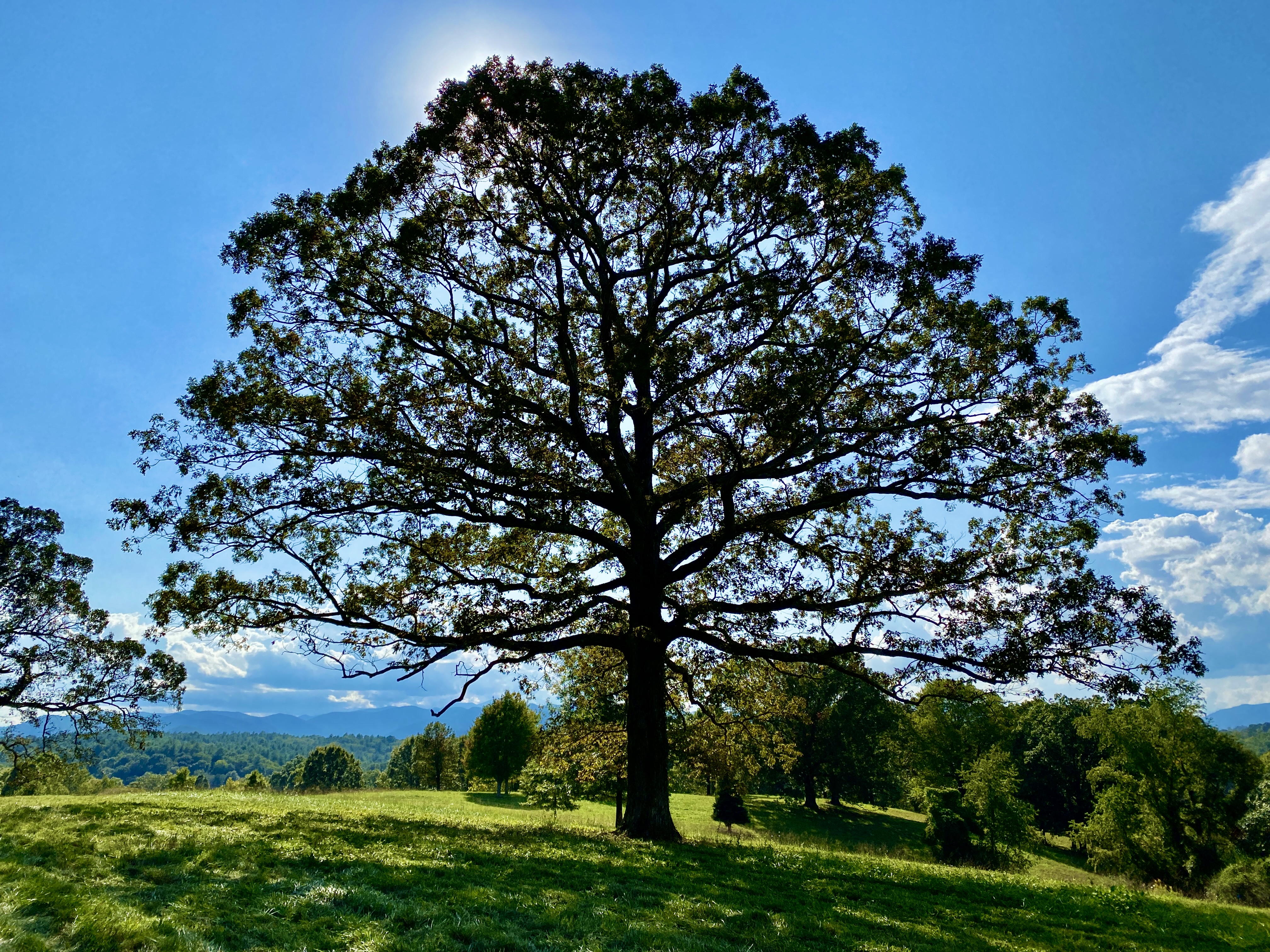
Well cared for trees add a lot to your yard both in enjoyment and increased house value.
By Steve Roark
Yard trees add a lot of personal enjoyment and equity to a home. They are a long-term investment and so maintenance to keep them healthy is well worth the time. What follows are a couple of tree care projects that I often see mishandled.
Proper pruning: Pruning is not something you do every year, but occasionally you need to prune up a tree to provide clearance below it, or to remove a broken or dead branch. It is critical that the pruning cut be done at the right place or the tree won’t heal properly and could eventually develop wood decay issues. Always cut a branch near a junction. If you look close there is a slight swell at base of the branch, called the branch collar. Prune just above the swell so you don’t leave a stub. This is critical because a tree always heals over at junctions. If you cut the branch and leave a stub, the tree will try to scab over at the base of the stub where it’s attached but can’t because the stub is in the way. Eventually the stub decays and possibly allows that decay to enter the tree, which is never good. To reiterate, stub cuts bad, junction cuts good. While on the subject of stub cutting, please don’t do what is called tree topping, where major limbs and branches are cut back to a certain height, leaving a lot of really big stubs. It’s done primarily to reduce the height of the tree because the owner is afraid it will get too big, or to keep it out of utility lines. If you are tempted to have a tree topped, take a drive during this winter when leaves are off and look for trees that have been topped for a number of years. You will see badly decayed major limbs that will eventually lead to the trees’ early removal for safety reasons. Remember, stub cuts bad! Junction cuts good!
Protection from equipment: another common problem I see with young trees is wounding near the ground from lawn mower or trimming equipment. Bark is the protective skin of the tree and like us an open wound can get infected. With trees the most common infection is a decay fungus called Heartrot. If the wounding is severe enough it can girdle the tree and kill it outright. It does not make sense to spend good money on a landscape plant and then have to take it down in a few years because of decay. So bottom line: keep the equipment away from the tree base. We are tempted to get really close with equipment to keep from having to hand trim the grass near the tree. You may get away with it for a while, but eventually you will ding the tree. So your options are either to suck it up and do the hand clipping, use herbicides to keep the grass knocked down near the tree, or mulch around the tree. Mulching is the better option, as it looks good and can help keep the soil moist. Just remember that more is not better. About 3” is as thick as you should apply it. If you put too much, it tends to pack down and shed water instead of letting it soak in. Also, don’t pile the mulch against the tree base, as this will cause the bark to be too moist, making it soft and susceptible to mold or decay issues.

- Log in to post comments