The Stink on Stink Bugs
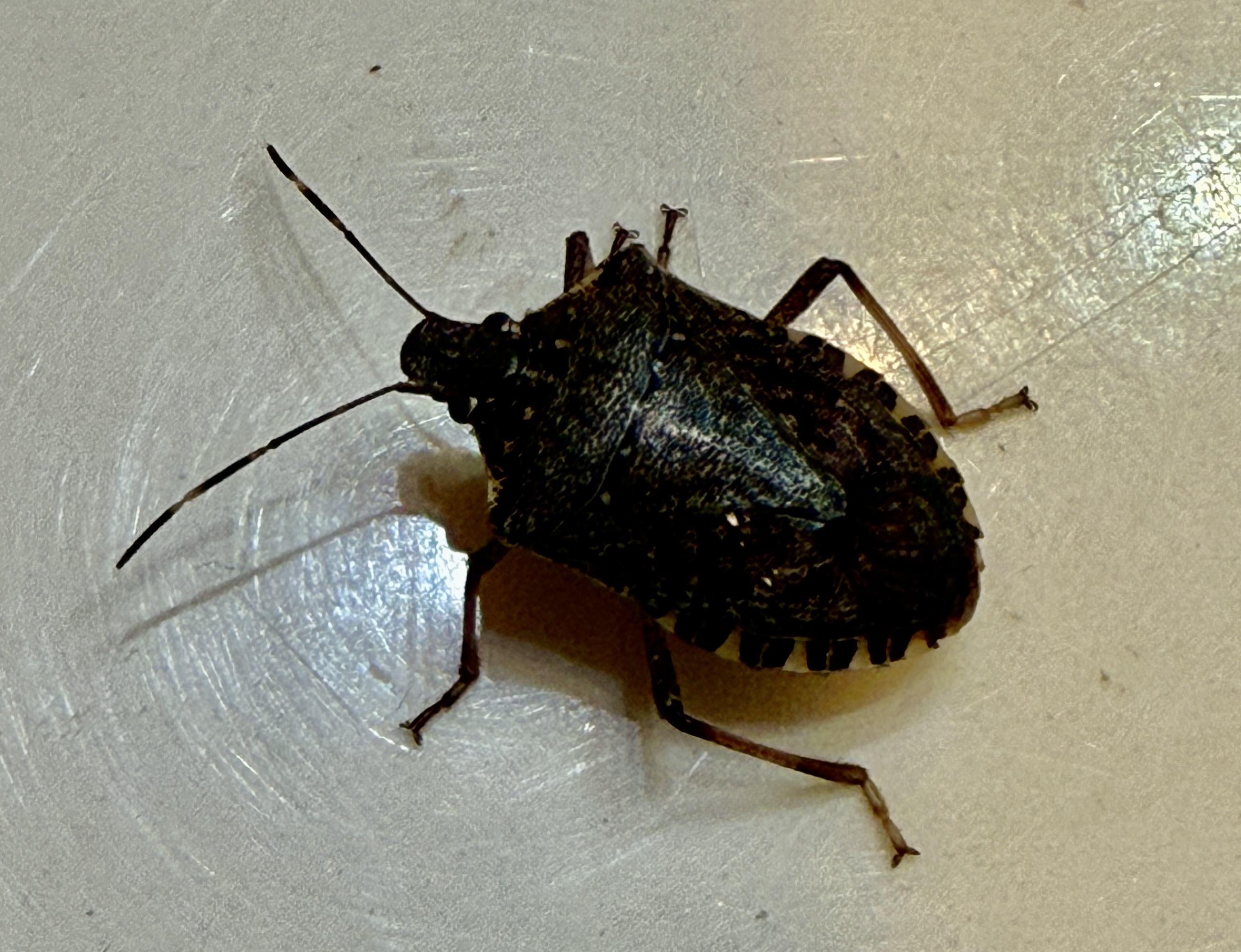
Stink Bugs are a most unwelcome guest when the weather gets cold
By Steve Roark
Volunteer Cumberland Gap National Historical Park
One reason I really enjoy living in the country is the opportunity to see nature up close: the woods, fields, streams, and wildlife. A downside to country living is that sometimes nature gets too close, like when they want to come in the house and hang out with you. Past unwanted guests I’ve had include mice, the occasional bat, bird or lizard, and bugs….lots of bugs. Houseflies, blow flies, wasps, ladybugs, and my topic this week, stinkbugs.
Stinkbugs have always been around. Growing up I remember green stink bugs in the garden or feeding on ripe wild blackberries, but they were never a serious nuisance. But in 1998 the brown marmorated stink bug (Halyomorpha halys), a China native, was brought to the U.S., probably as a stowaway in a packing crate. They made it to our area around 2009, becoming an agricultural pest that does damage to soybeans and fruit crops. The bug is easy to identify, with a shield shaped body that is splotchy brown, and with antennae that are segmented with white bands. The problem is that here in the U.S. they have no natural predators, allowing the bug to maintain a high population, especially in southern states where they produce two to four generations in one year due to a fast life cycle that goes like this: overwintering adults come out in the spring, mate, and the female lays eggs on plants that will provide food. The eggs hatch in only 4 or 5 days into black and red nymphs that look sort of like ticks. As they grow, they go through 5 instars (skin sheddings) and reach adulthood 5 weeks after hatching.
The brown stink bug is a household problem because they overwinter using a tactic called diapause, going dormant in sheltered places until it warms. They often choose our homes for the shelter and can get in through pretty small cracks. Once they warm up inside, they become active and fly clumsily around lights and make a nuisance of themselves. They aren’t hard to catch except for the stink part. It’s a defense mechanism to dissuade birds and lizards from eating them. When disturbed or squashed there are glands on the bug’s abdomen that emit an ill smelling chemical (trans-2-Octenal in case you were dying to know).
So what to do? Sealing up your house as tight as you can helps, but for those that make it inside the best method I’ve seen to capture them is to build a light trap on the cheap. One style uses a 2 liter soda bottle and a battery powered LED light. Another style involves setting up an aluminum baking pan with soapy water and putting a spotlight on it to attract the bugs to their doom. Instructions and videos are easy to find on the internet.

- Log in to post comments