Route 66 and America 250: A Journey Through History, Heritage, and the American Spirit
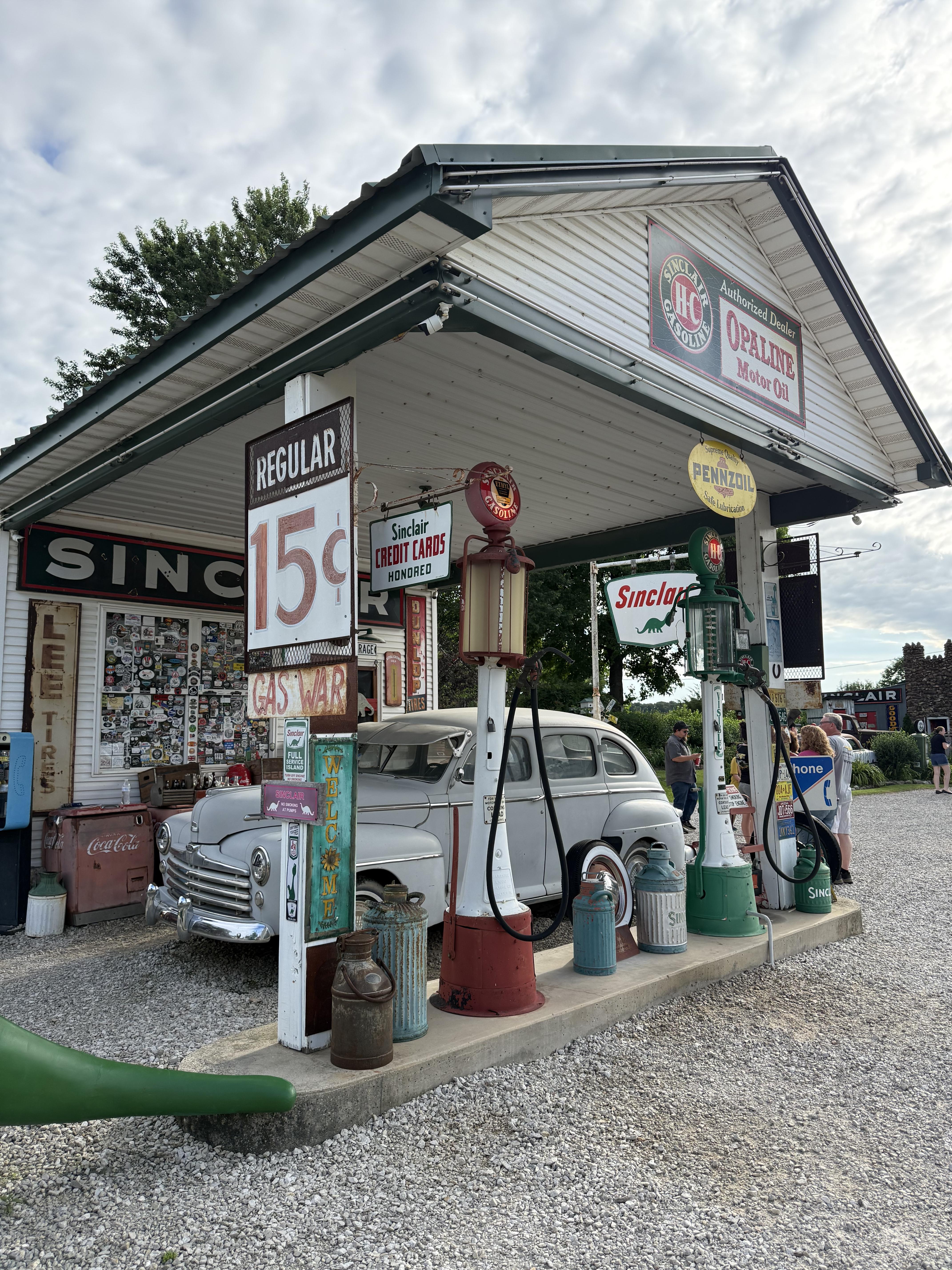
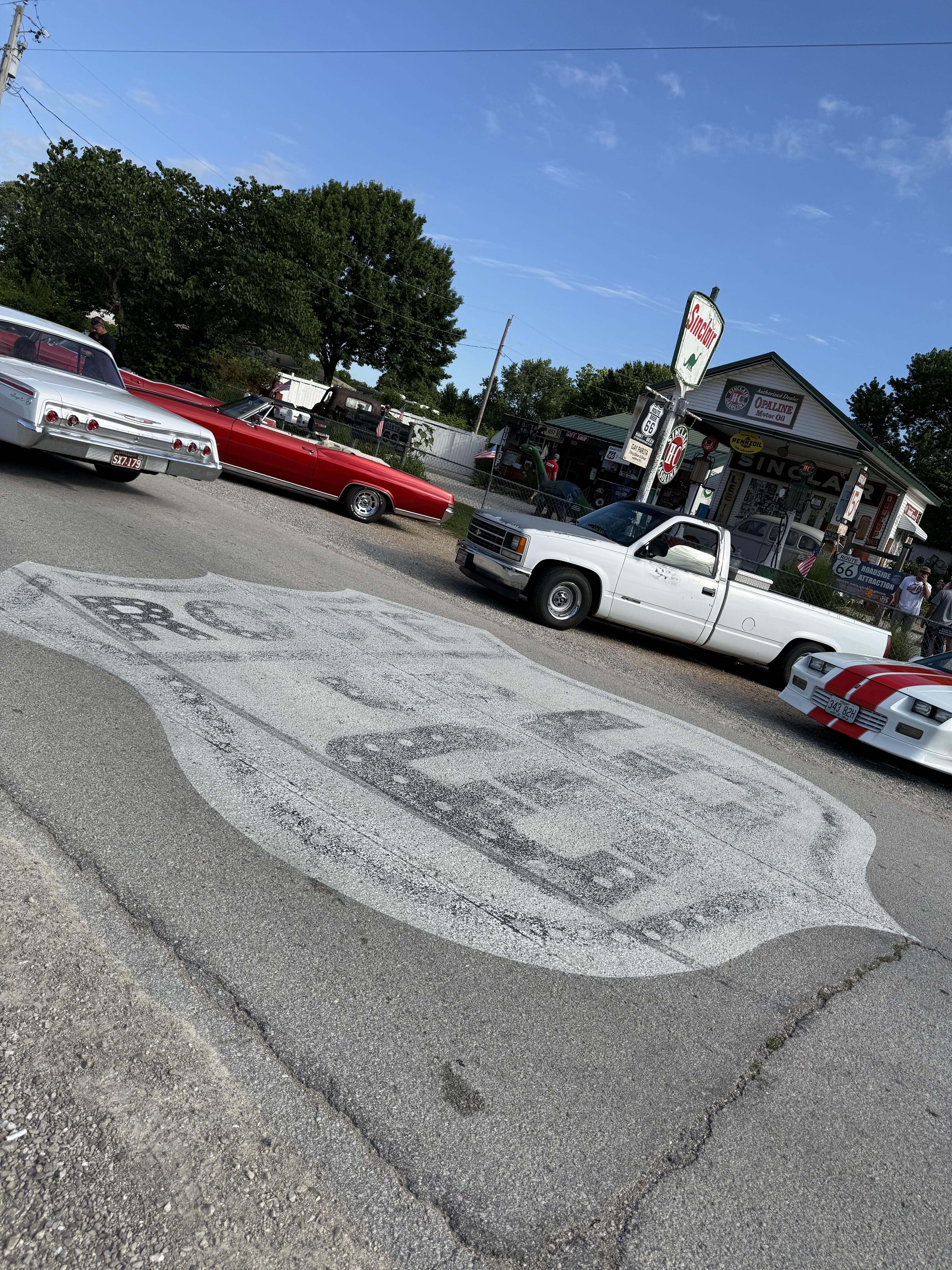
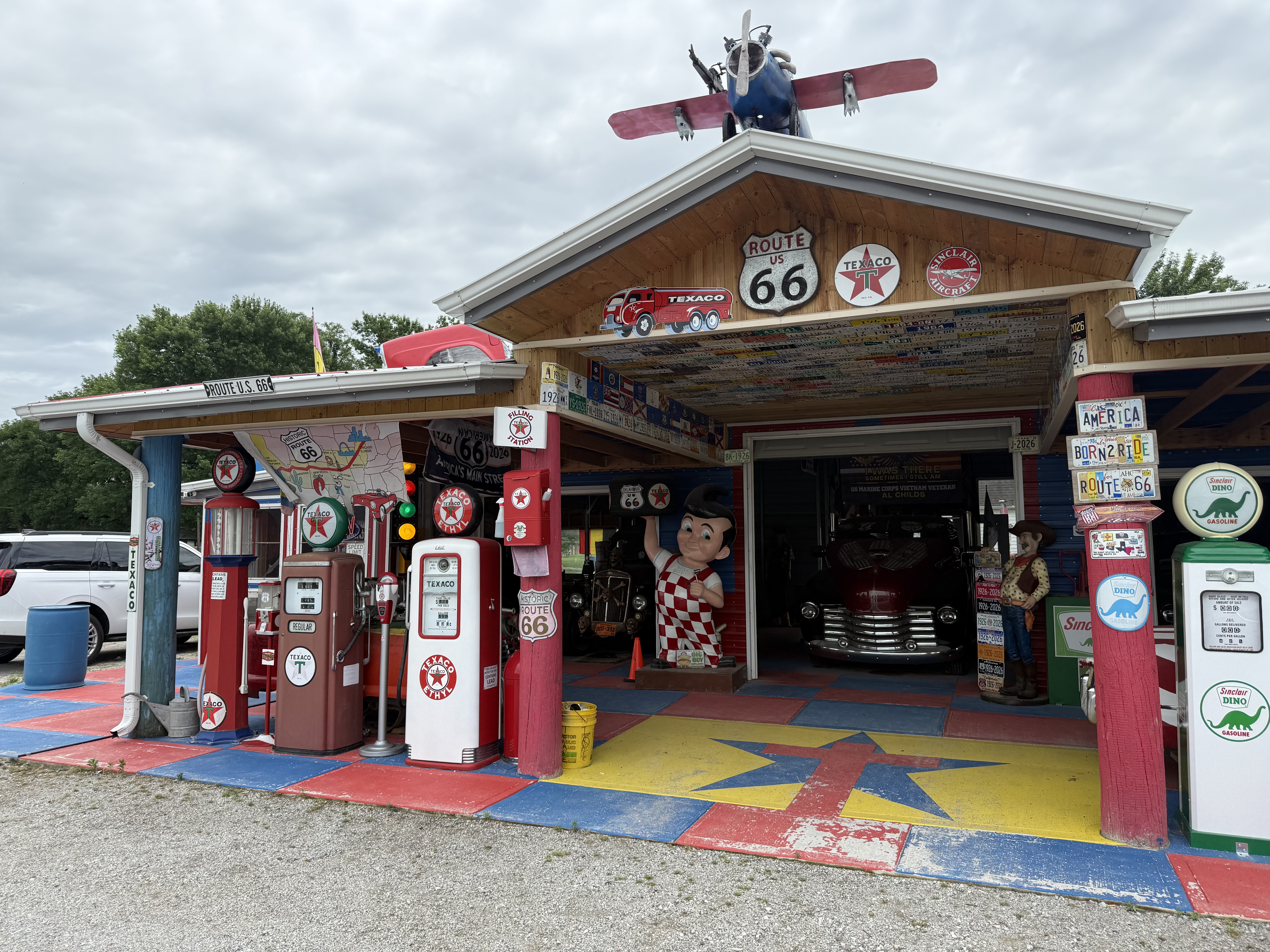
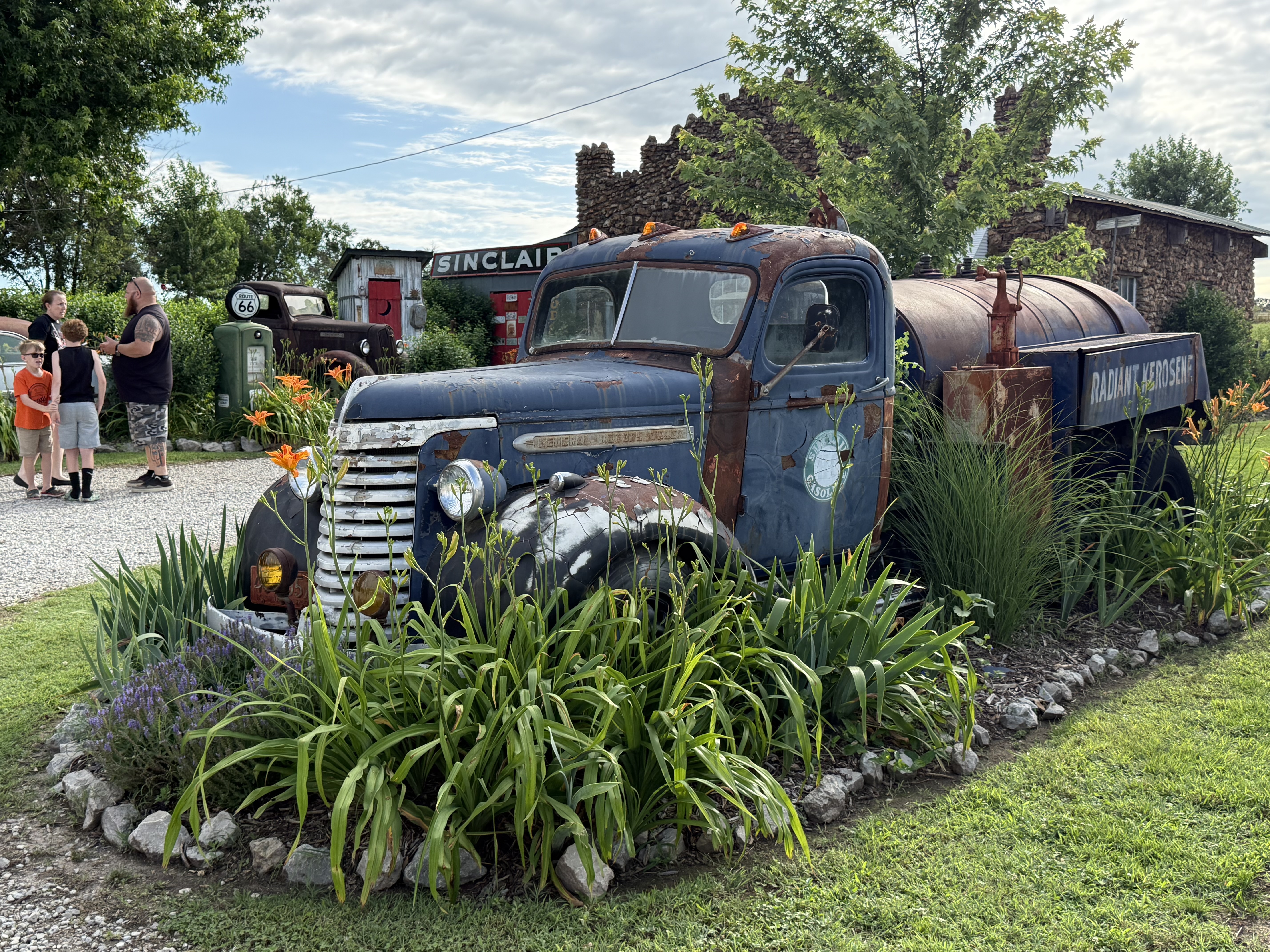
A stop at the iconic Gary's Gay Parita Service Station in Ash Grove, Missouri, was like stepping back in time along Historic Route 66. Restored to capture the spirit of the Mother Road, this beloved landmark showcases the classic gas station culture, vintage memorabilia, and hospitality that made Route 66 famous. As America celebrates Route 66's Centennial and our nation's 250th Anniversary
In 2026, America celebrates two remarkable milestones that highlight our nation's rich history and enduring spirit. The year marks the 100th anniversary of Historic Route 66, known as the "Mother Road," as well as the 250th anniversary of the United States of America. Together, these anniversaries offer an opportunity to reflect on the people, places, and events that have shaped our nation and inspired generations of Americans.
Established on November 11, 1926, Route 66 stretched more than 2,400 miles from Chicago, Illinois, to Santa Monica, California. The highway quickly became one of the most important transportation corridors in the country, connecting small towns and major cities across eight states. During the Dust Bowl era, thousands of families traveled Route 66 in search of new opportunities in the West. Throughout World War II and the post-war economic boom, the highway served as a vital link for commerce, tourism, and travel, helping fuel America's growth and prosperity.
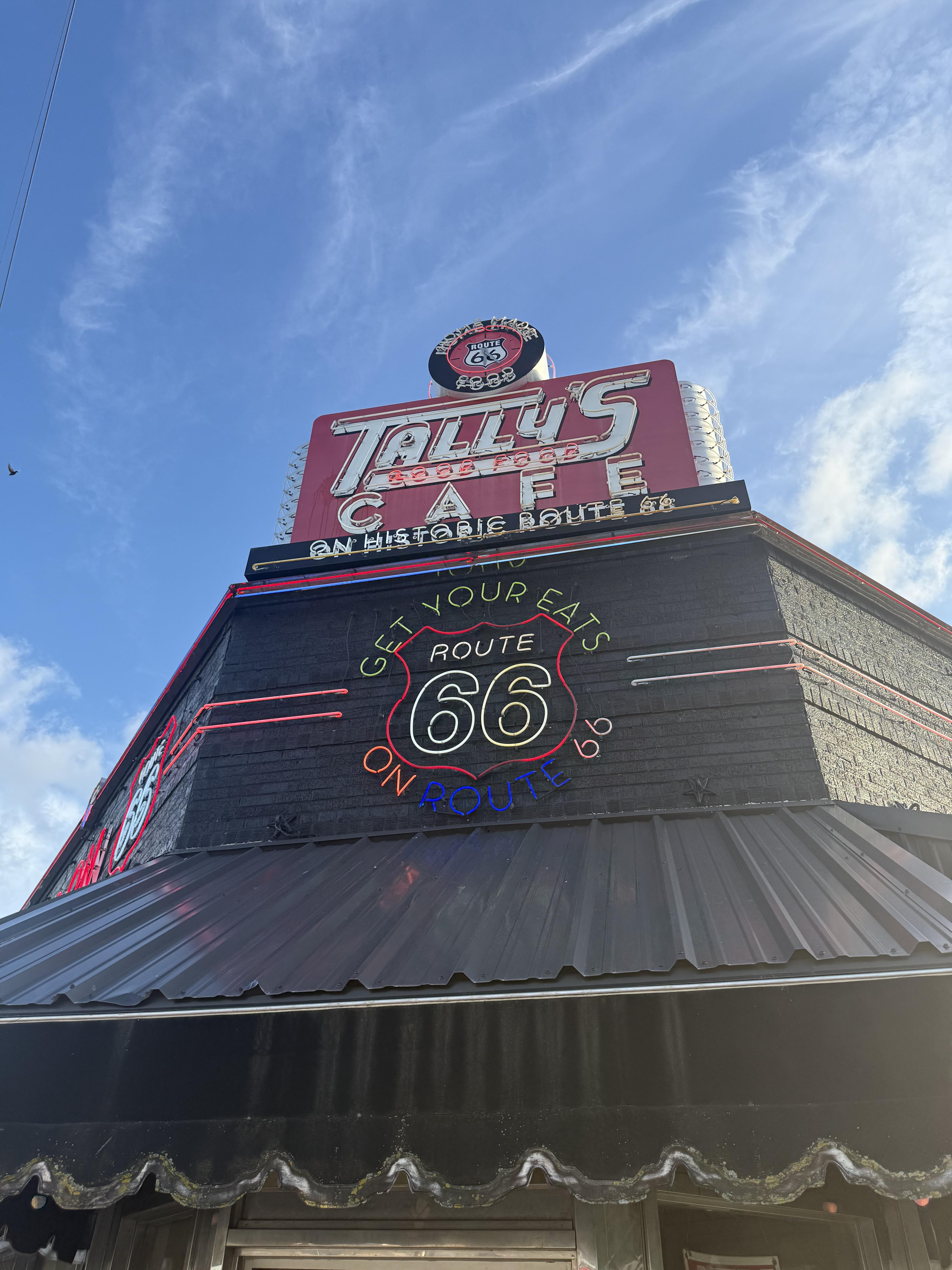
Route 66 also became a symbol of freedom, adventure, and the American dream. Families loaded their cars for cross-country vacations, while entrepreneurs established diners, motels, service stations, and roadside attractions that became iconic pieces of American culture. The highway played a significant role in the rise of the automobile age and remains closely associated with classic cars, hot rods, American history, and the open-road spirit that continues to attract enthusiasts today. Along its route, travelers can still find vintage neon signs, restored gas stations, historic downtown districts, and unique roadside attractions that tell the story of America's growth throughout the twentieth century.
Although Route 66 was officially removed from the U.S. Highway System in 1985, its legacy has endured through preservation efforts and the dedication of communities along the route. Historic landmarks, museums, restored businesses, and annual events continue to celebrate the road's impact on American history. Travelers from around the world still journey to experience Route 66 and the stories that make it one of the most famous highways ever built.
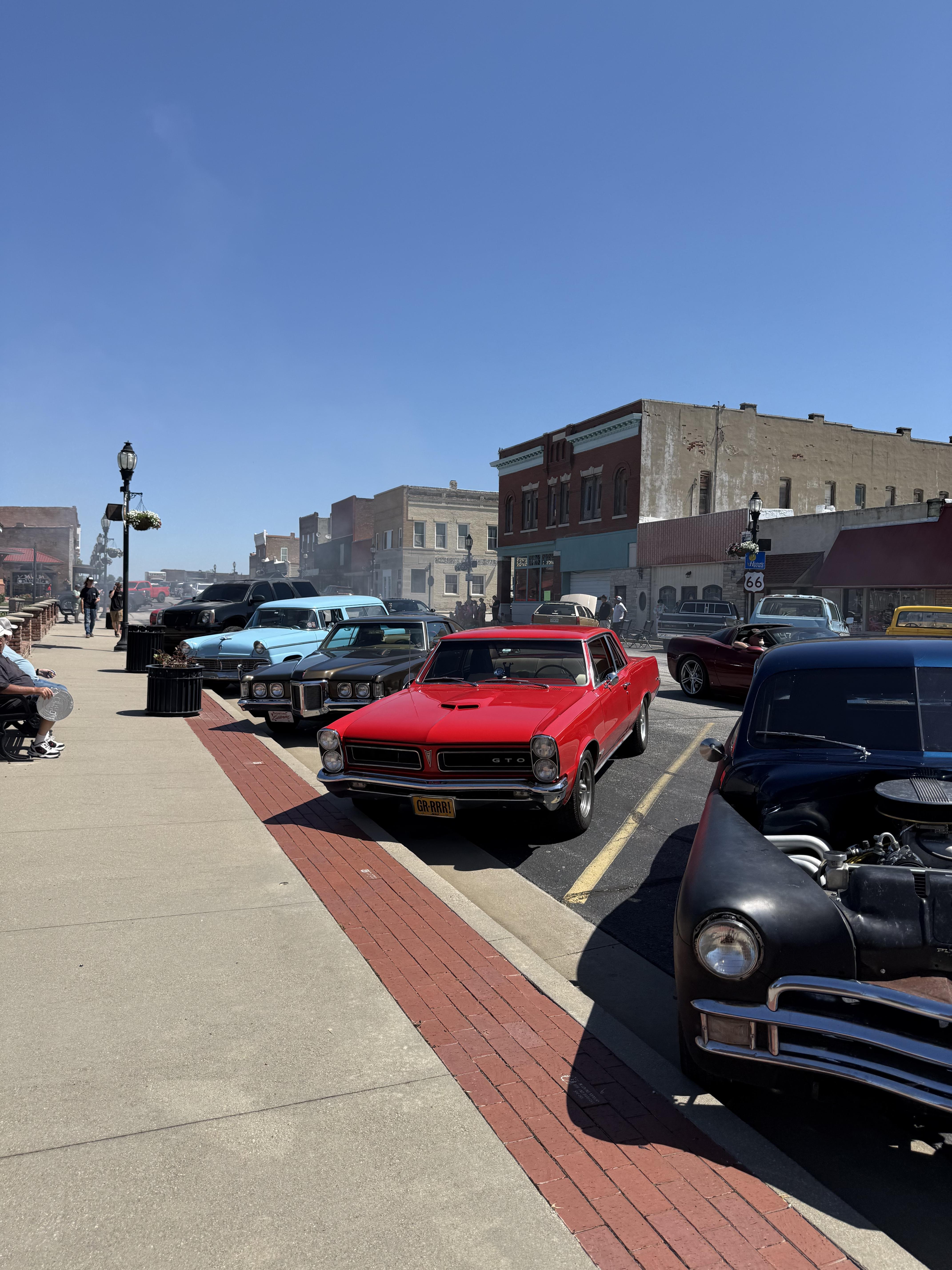
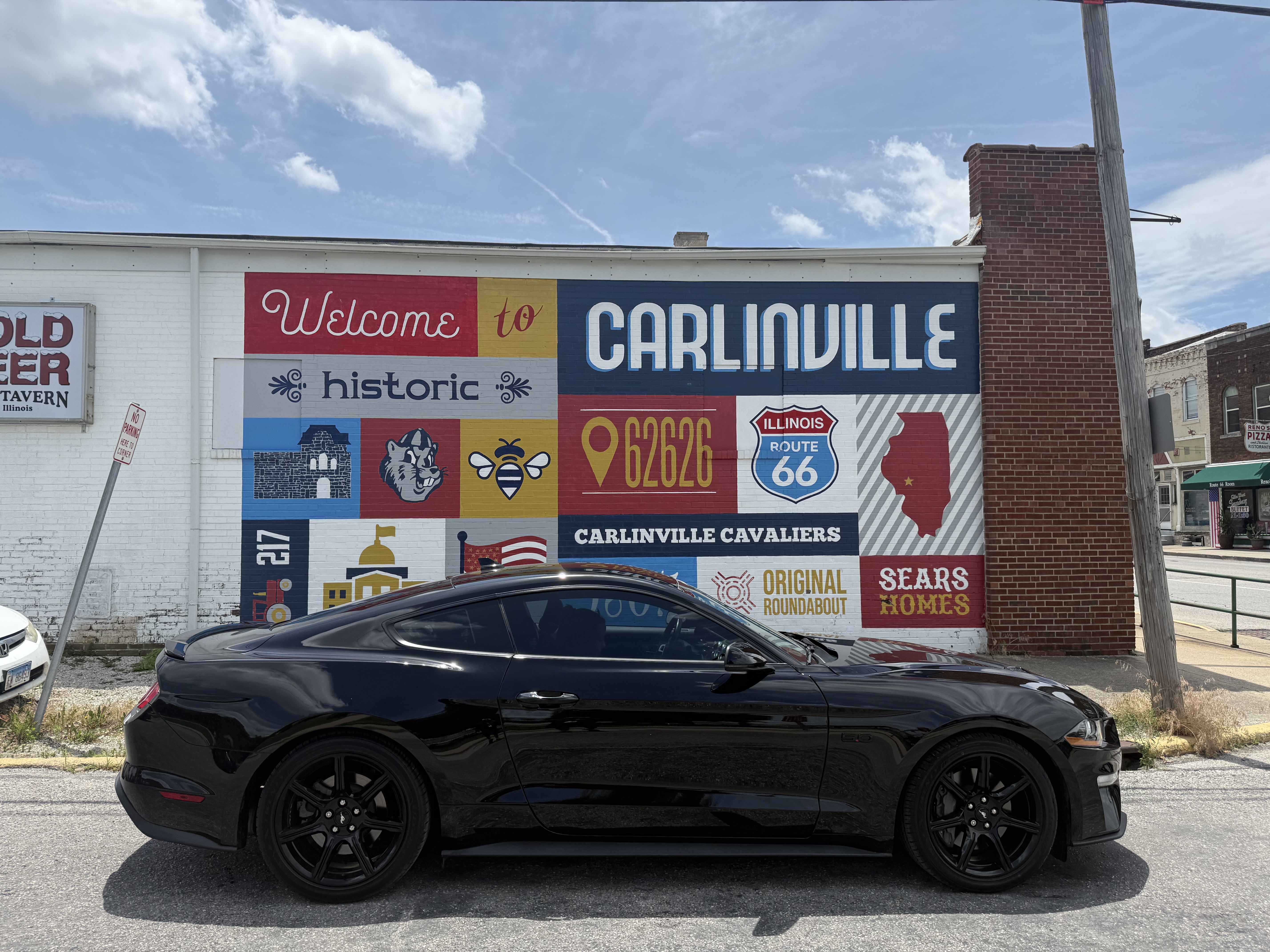
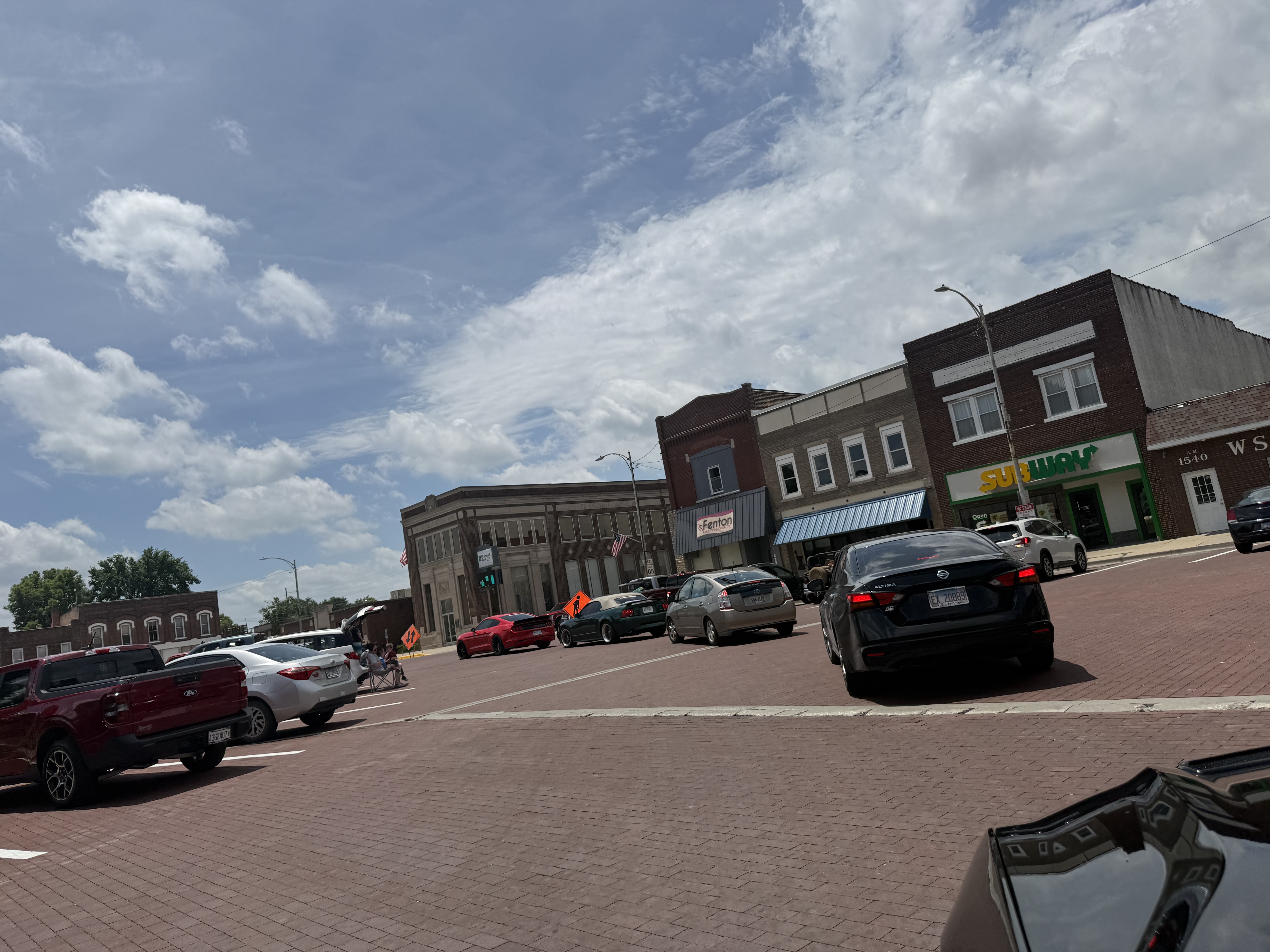
This past June, I had the opportunity to travel portions of Historic Route 66 while participating in the Hot Rod Magazine Power Tour during the Route 66 Centennial celebration. It was an unforgettable experience. Each city and small town along the route seemed to come alive with history, hospitality, and pride in their connection to the Mother Road. From restored downtown districts and classic diners to vintage service stations and roadside attractions, every stop offered a glimpse into America's past. What stood out most was the strong sense of Americana and patriotism throughout the journey. American flags waved proudly, communities welcomed visitors with open arms, and local residents shared stories that reflected the values and traditions that have made our nation strong for generations.
As the nation commemorates America's 250th birthday in 2026, the Route 66 Centennial serves as a fitting companion celebration. Both milestones honor the ideals of freedom, opportunity, innovation, and determination that have defined the American experience. From the founding of our nation in 1776 to the creation of Route 66 in 1926, Americans have continually embraced the spirit of exploration and progress.
Having experienced Route 66 firsthand, I can confidently say it is a journey that every American should consider taking during this historic semiquincentennial year. The Mother Road offers more than beautiful scenery and interesting attractions. It provides a unique opportunity to see America through the eyes of the communities that helped build it. Whether traveling in a classic car, hot rod, motorcycle, or family vehicle, Route 66 remains a living tribute to our nation's history, culture, and enduring spirit. As we celebrate both the Route 66 Centennial and America's 250th Anniversary, there may be no better way to appreciate the story of our country than by taking a drive down the road that helped connect it.
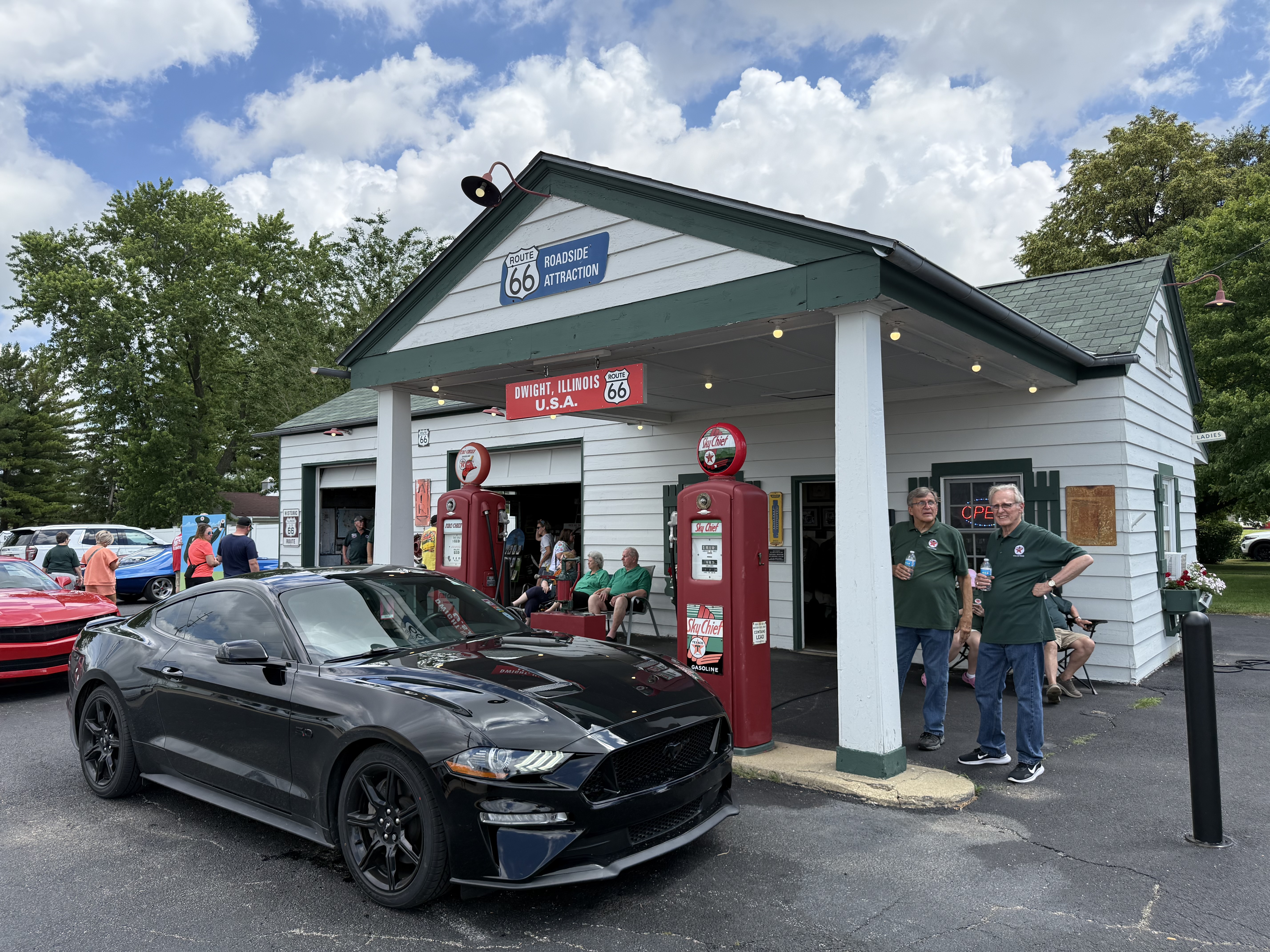
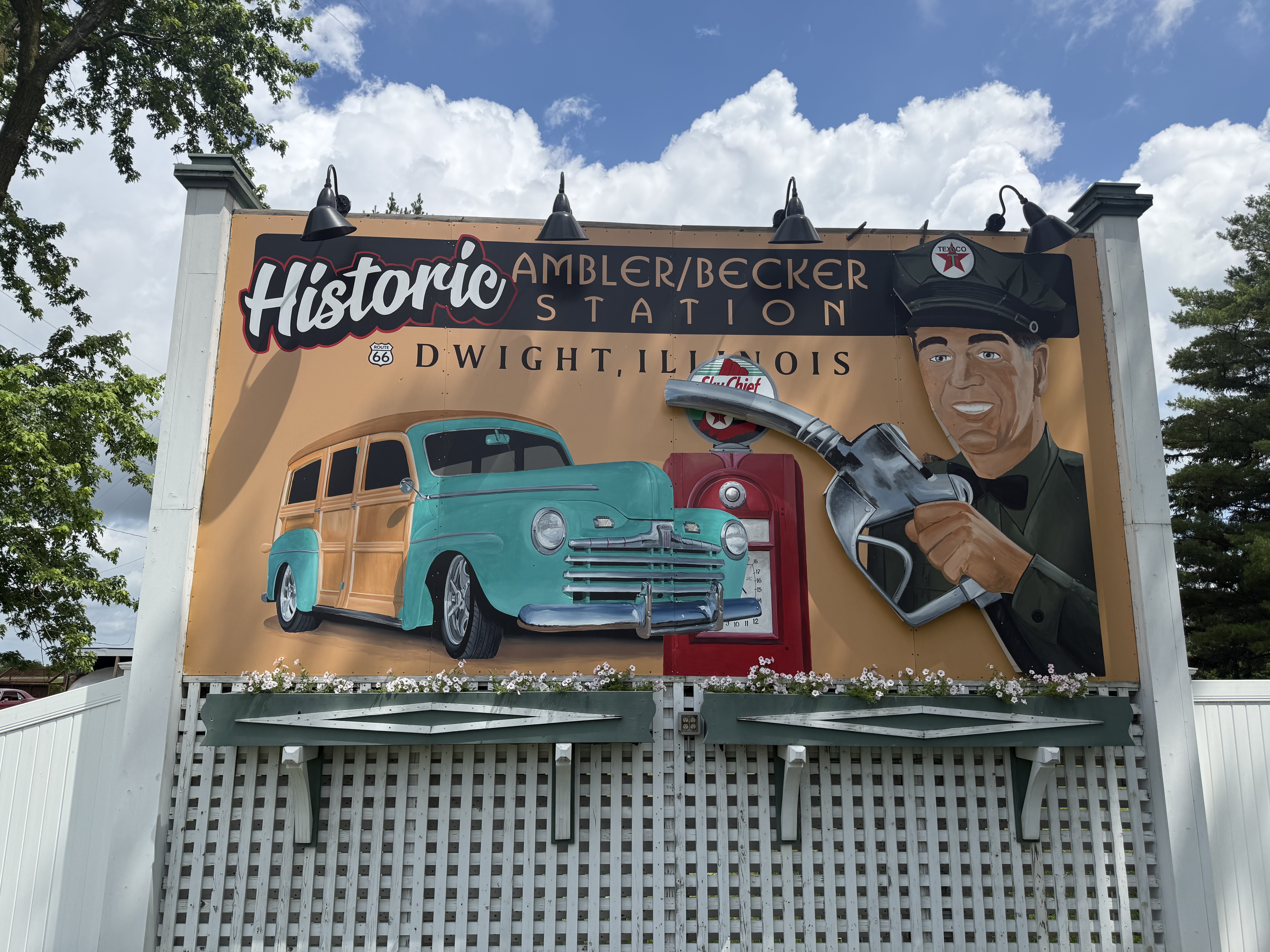
Another landmark on Historic Route 66, Ambler's Texaco Station in Dwight, Illinois, stands as a reminder of the golden age of American road travel. Built in 1933, this beautifully preserved service station welcomed countless travelers making their way along the Mother Road.
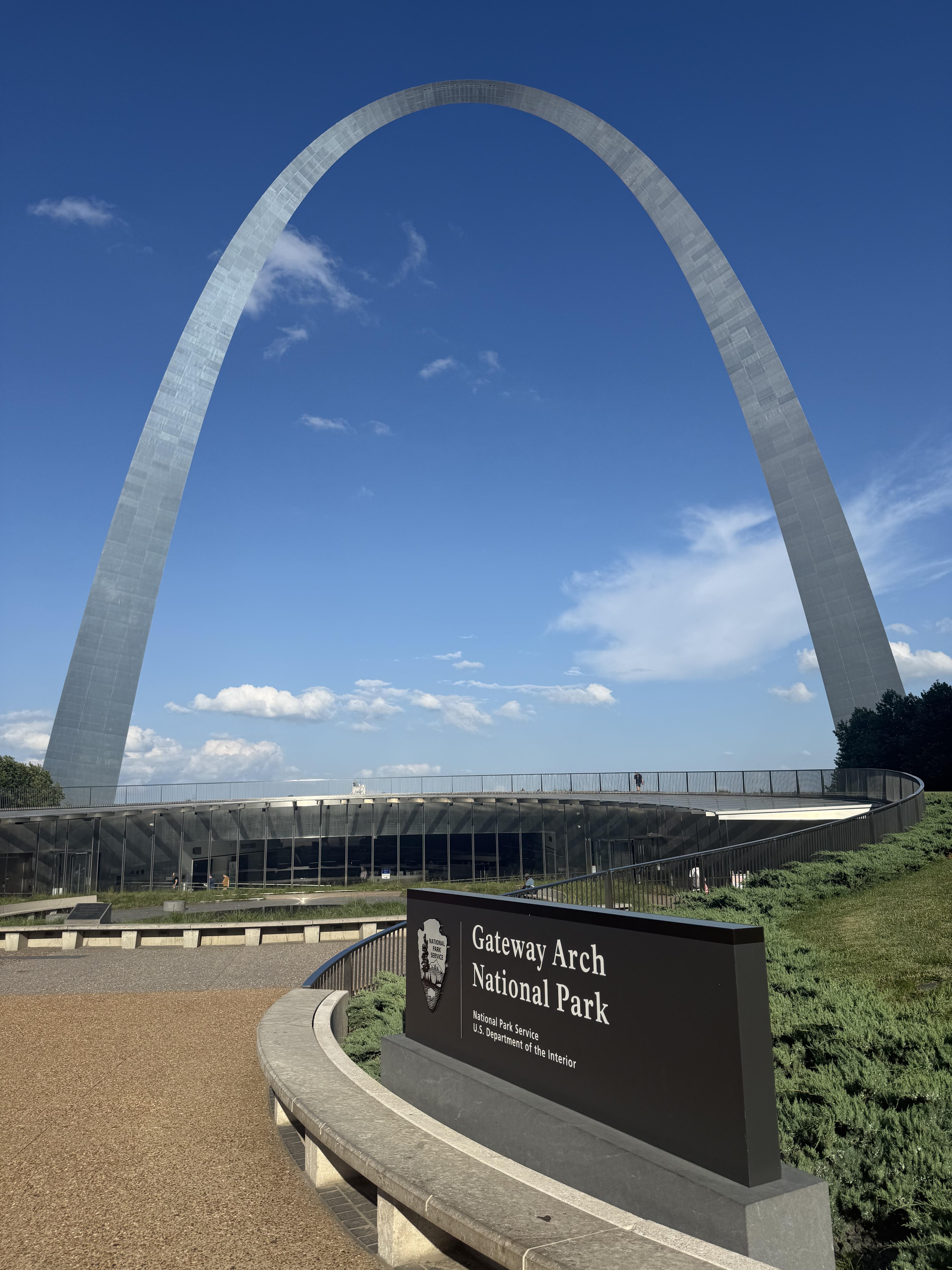
Standing 630 feet above the banks of the Mississippi River, the Gateway Arch in St. Louis, Missouri, serves as a powerful symbol of America's westward expansion and pioneering spirit. Known as the "Gateway to the West," the Arch commemorates the vision, courage, and determination that helped shape our nation.
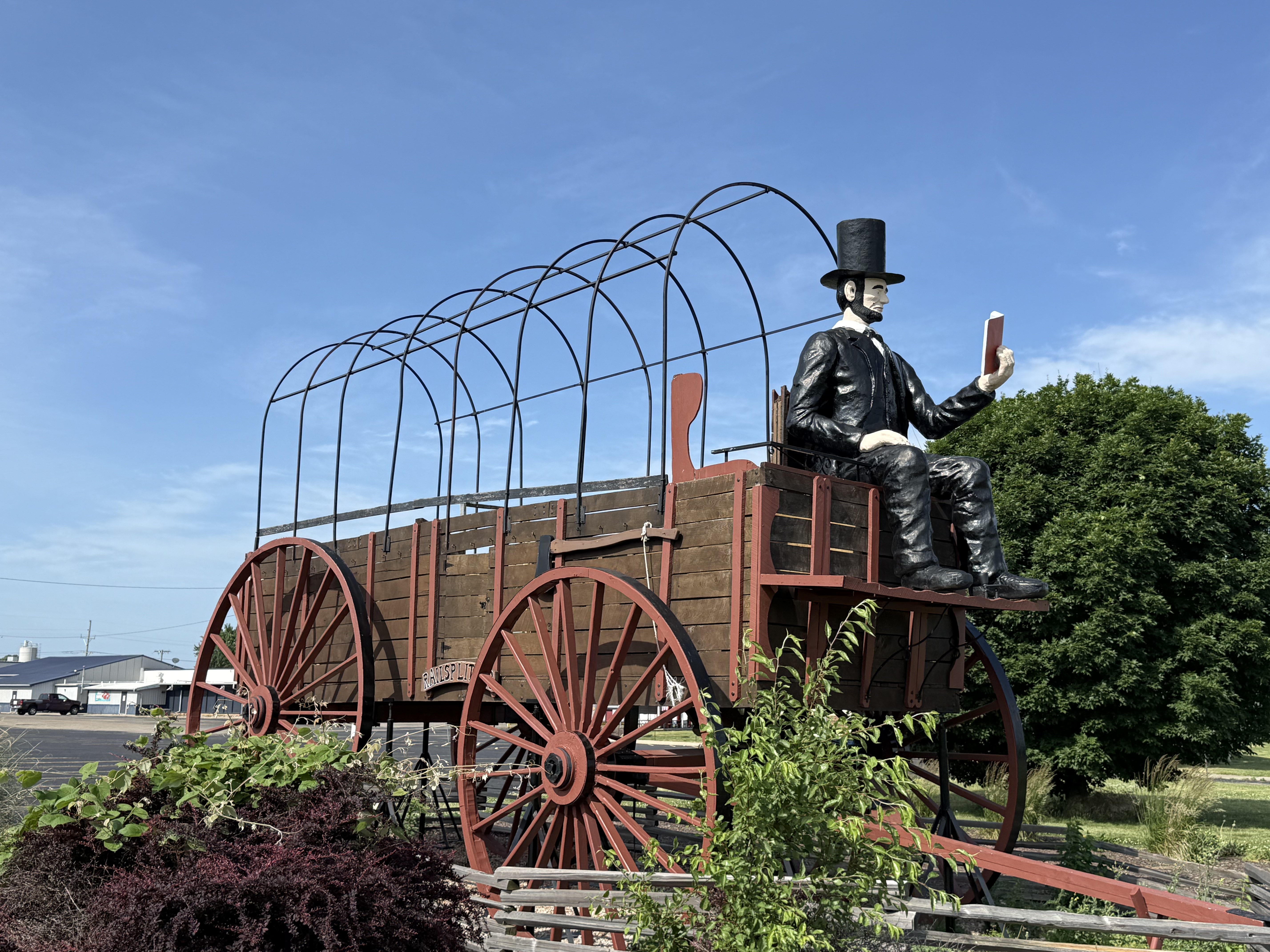
One of the most unique roadside attractions along Historic Route 66, the World's Largest Covered Wagon in Lincoln, Illinois, pays tribute to the pioneers who helped settle the American frontier. Complete with a giant prairie schooner and towering Abraham Lincoln figure, this larger-than-life landmark celebrates the spirit of adventure, determination, and westward expansion that shaped our nation.
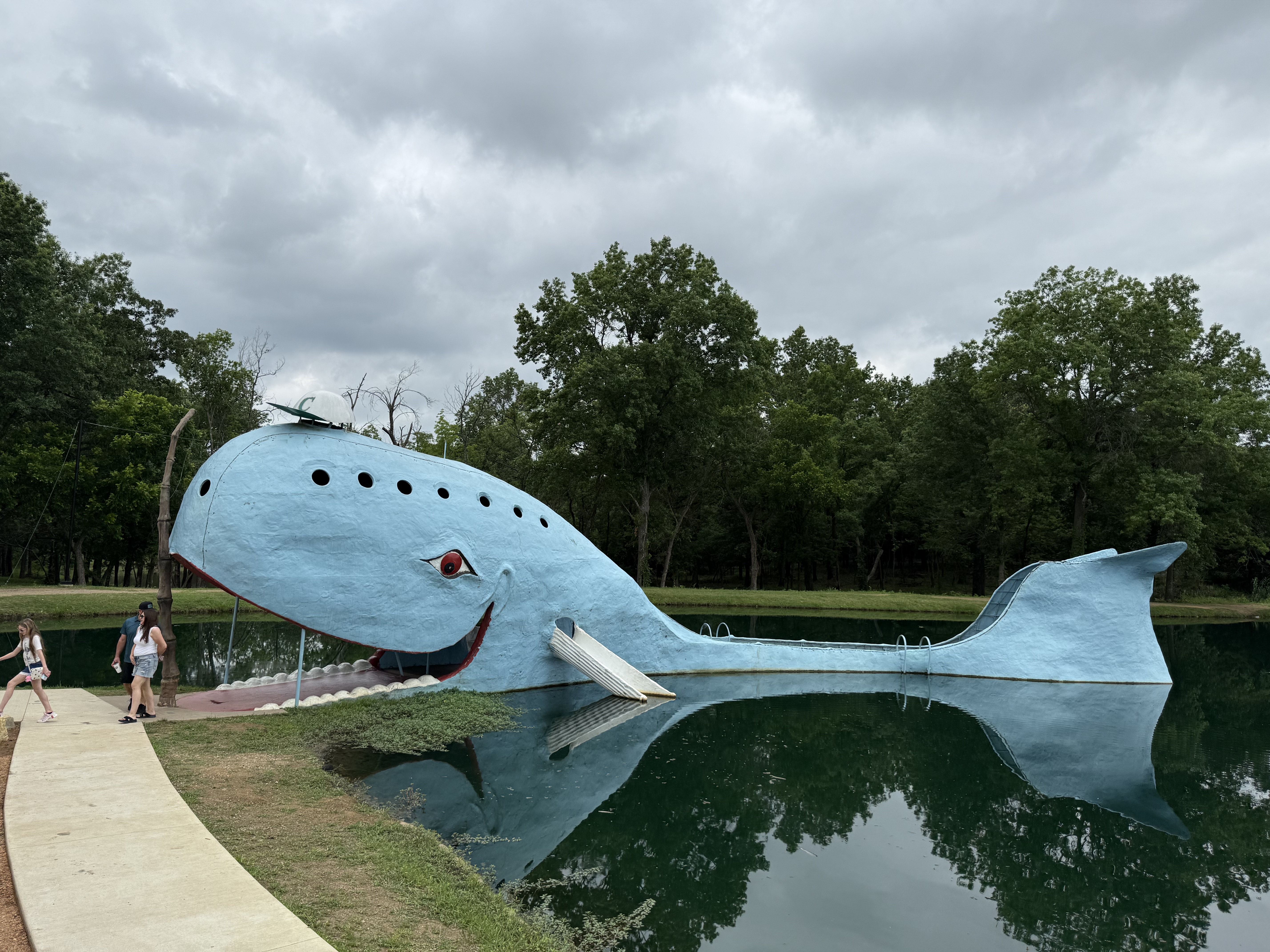
No journey along Historic Route 66 is complete without a stop at the famous Blue Whale of Catoosa, Oklahoma. Built in the early 1970s as a unique family attraction, the giant blue whale has become one of the most beloved and photographed landmarks on the Mother Road. What began as a labor of love has grown into a symbol of the quirky roadside attractions that make Route 66 so special.
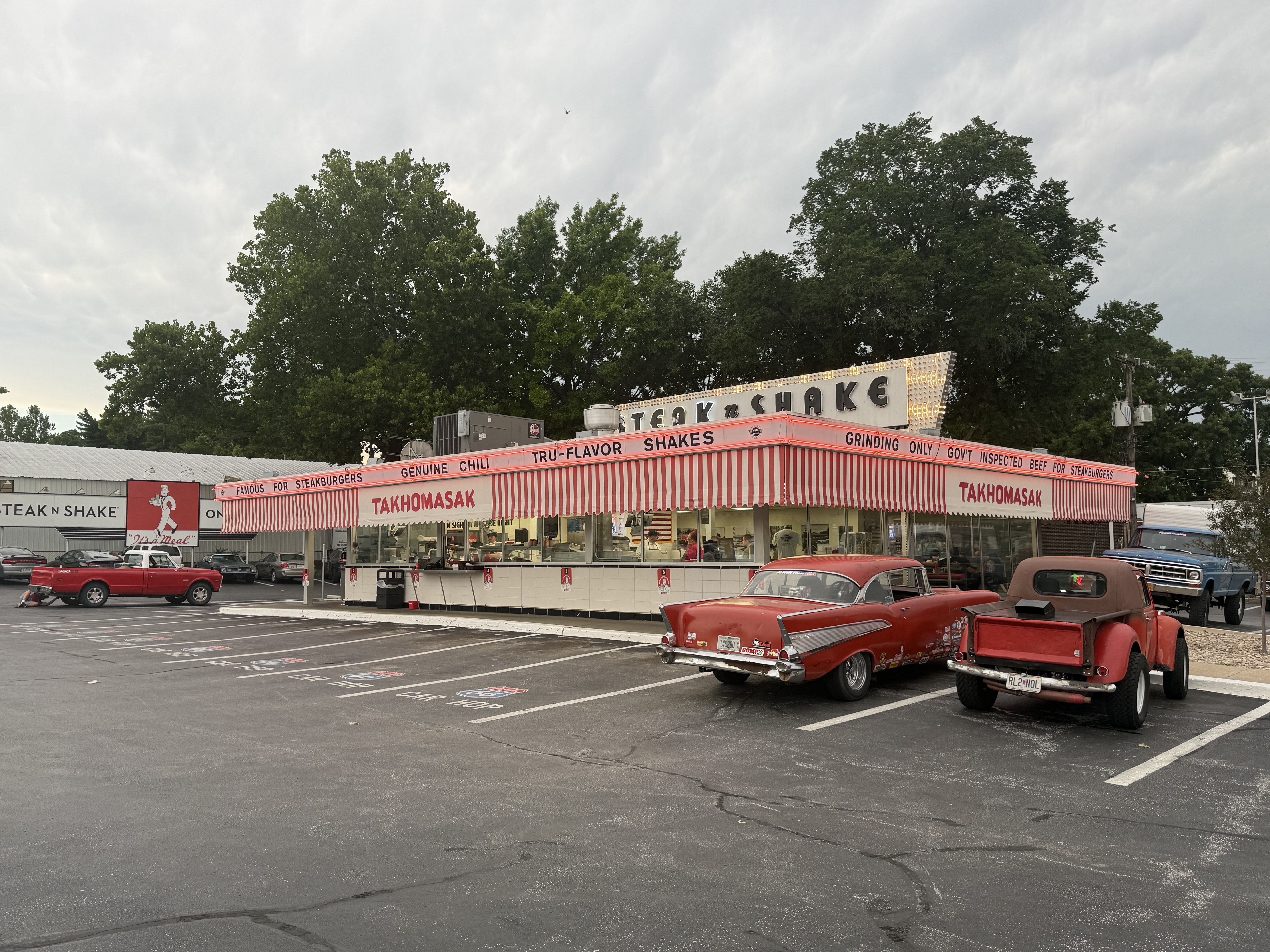
A visit to one of the original Steak 'n Shake drive-in restaurants in Springfield, Missouri, is a step back into the golden age of American travel and dining. This location started in 1962. Steak 'n Shake became famous for its fresh steakburgers, hand-dipped milkshakes, and drive-in service that catered to the growing number of motorists traveling America's highways.
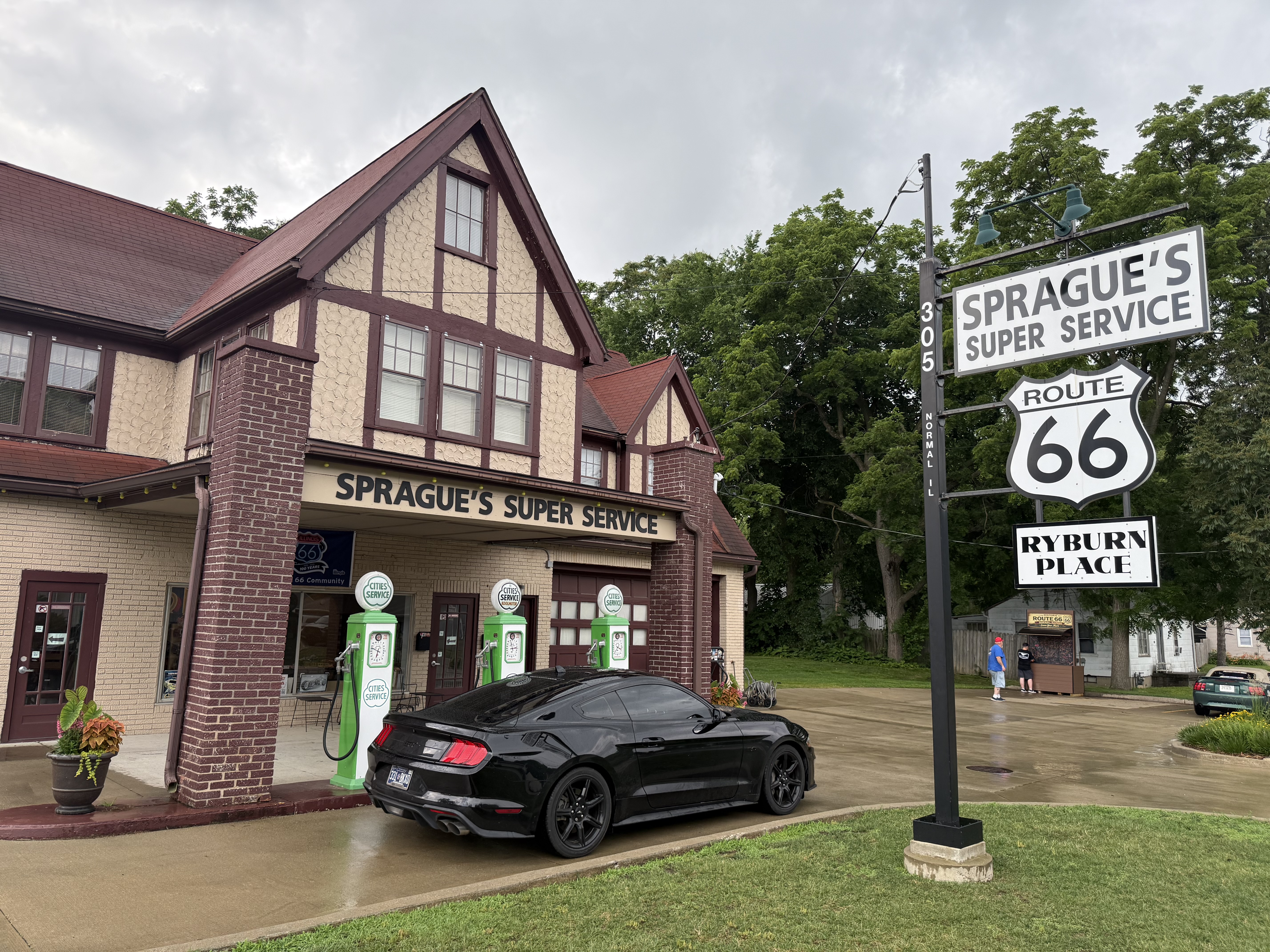
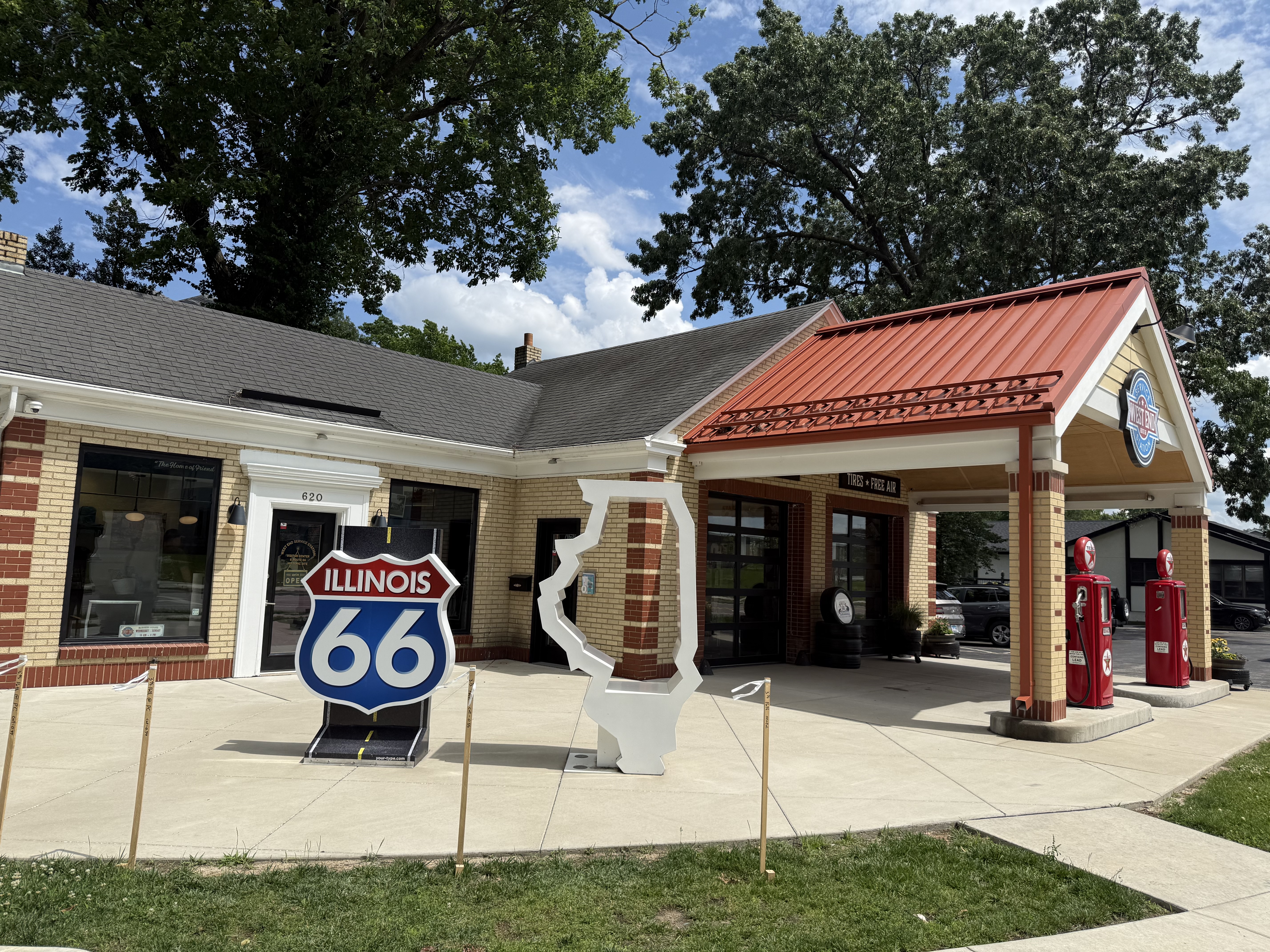
Sprague Service Station in Normal, IL
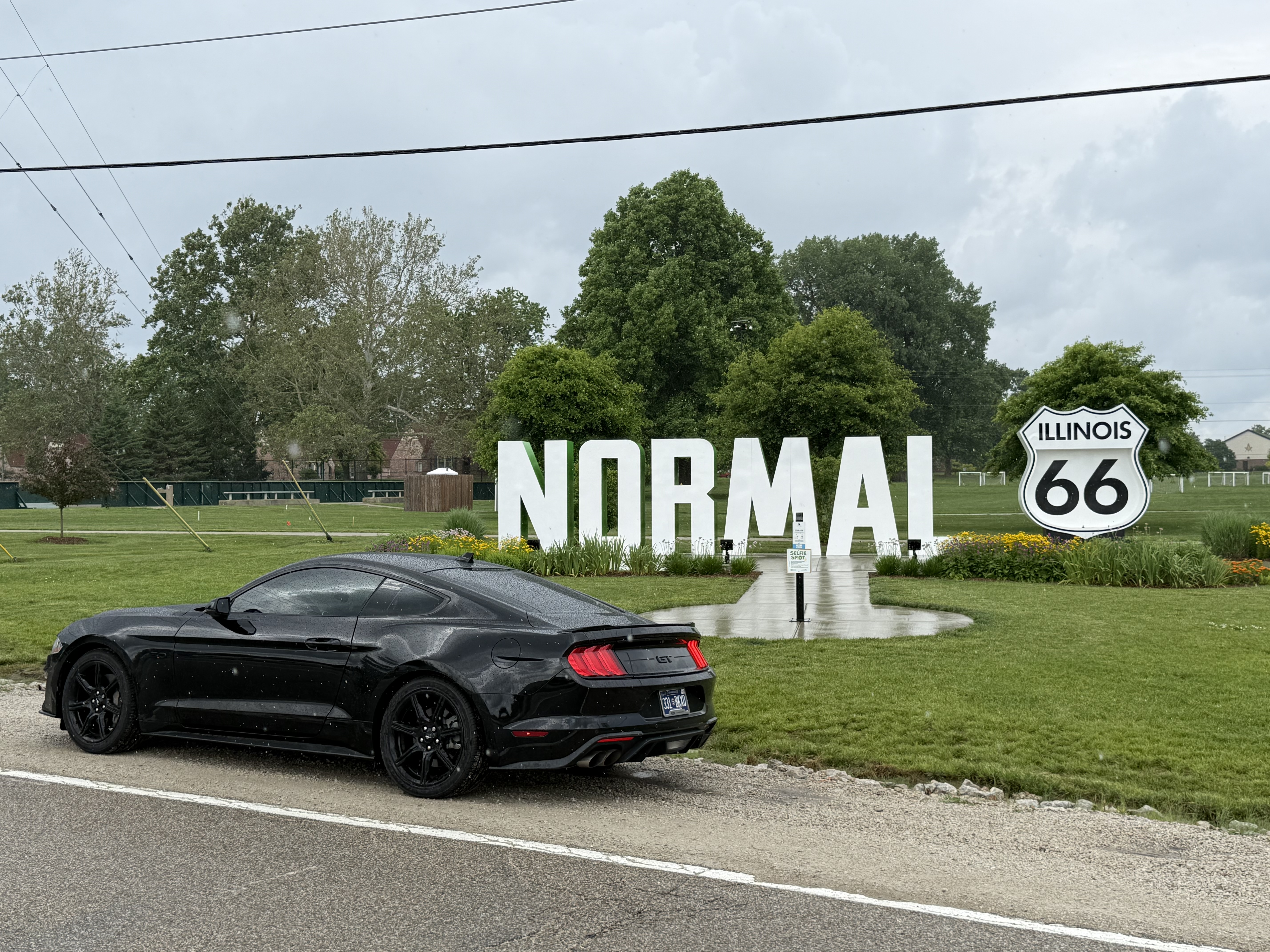
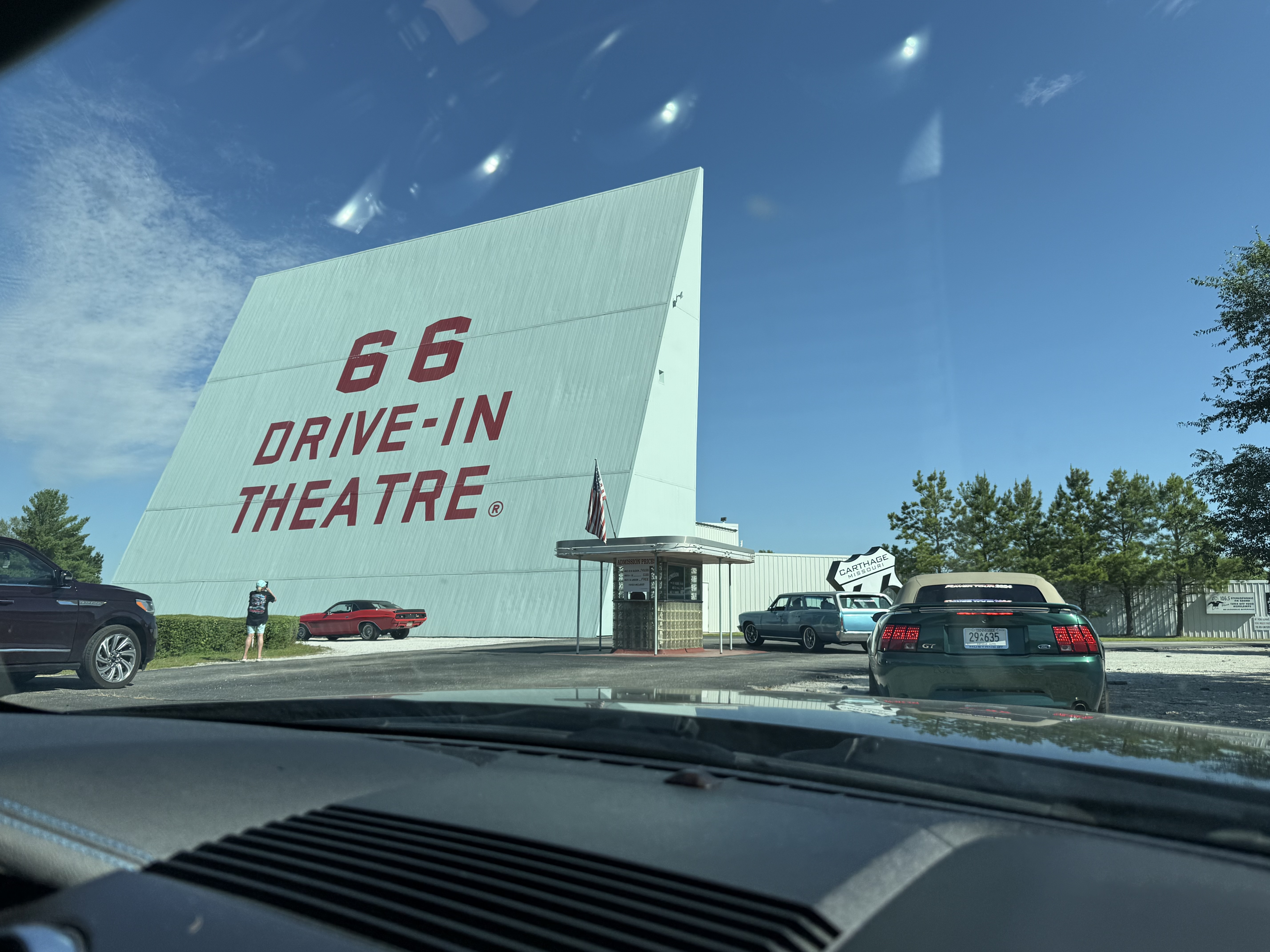
Route 66 Drive-In Movie Theater in Carthage, MO

- Log in to post comments