Rambler: The American car brand that disappeared
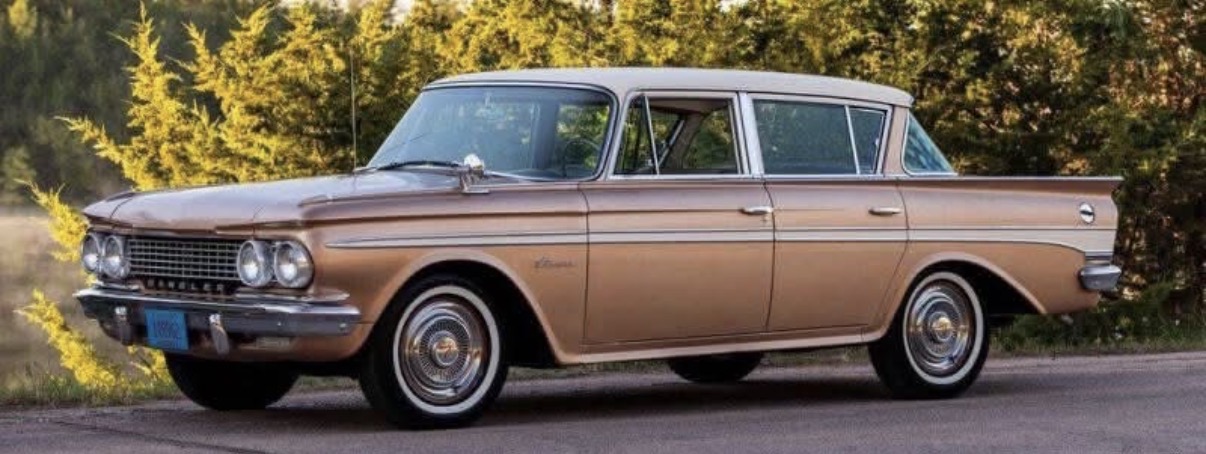
Rambler: A symbol of American automotive innovation, economy, and practical design. From the Nash Rambler of the 1950s to the final Rambler models of 1969, the brand offered affordable, economical transportation and left a lasting mark on the American automobile industry.
The history of the American automobile industry includes many brands that once played an important role but eventually disappeared. One of those brands was Rambler, a name associated with practical, affordable and innovative automobiles. Although Rambler is no longer produced, its history remains an important part of the automotive industry.
The Rambler name dates back to the early 1900s, when the Thomas B. Jeffery Company began producing automobiles in Kenosha, Wisconsin. The company later became part of Nash Motors after Charles Nash acquired it in 1916. In 1950, Nash reintroduced the Rambler name with a compact car designed to provide economical transportation in a market dominated by larger American automobiles.
The Nash Rambler became an important vehicle because it offered buyers a smaller alternative to full-size cars from manufacturers such as Ford, Chevrolet and Chrysler. Its practical design and fuel economy helped establish the Rambler name in the growing compact-car market.
In 1954, Nash-Kelvinator merged with Hudson Motor Car Company to create American Motors Corporation (AMC). As AMC developed, Rambler became the company’s primary automobile brand. Under George Romney’s leadership, American Motors focused heavily on compact and economical vehicles, allowing it to compete with larger manufacturers through a different business strategy.
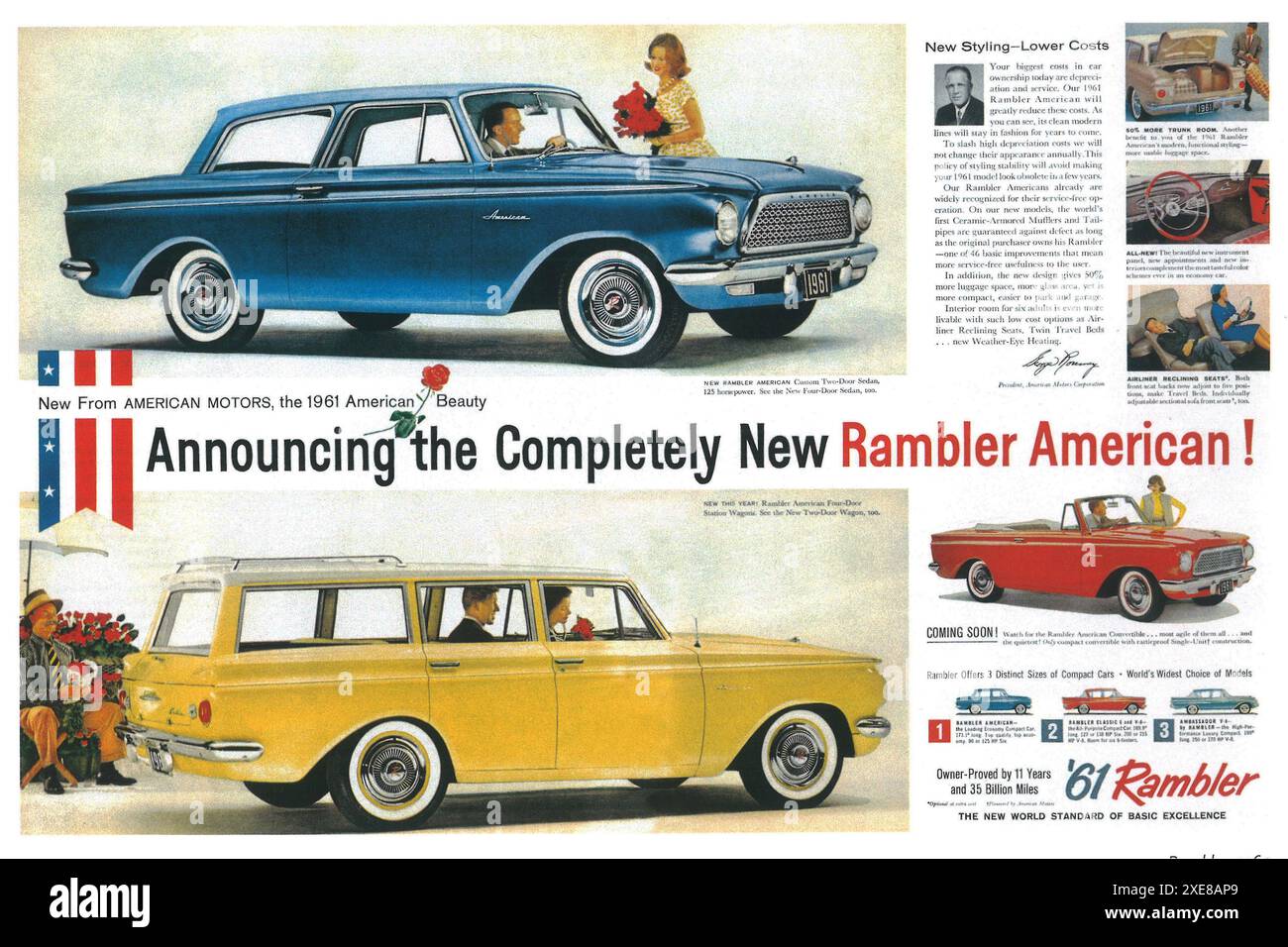
During the late 1950s and early 1960s, Rambler experienced significant success. Models such as the American, Classic and Ambassador offered customers a range of practical automobiles. The Rambler American became especially recognizable and remained in production through the 1969 model year.
However, the automobile market began changing during the 1960s. American consumers increasingly wanted sporty cars, performance vehicles, and a wider variety of styling options. AMC introduced vehicles such as the Rambler Marlin, Javelin, and AMX to compete in these markets. The company also wanted to move beyond its reputation as a manufacturer of compact economy cars.
The Rambler also has a connection to East Tennessee through Orton Caswell “Cas” Walker, a well-known Knoxville businessman, owner of Cas Walker Supermarkets, politician and television personality. Walker was known for driving a Nash Rambler, reportedly modifying the back seat to transport his coon dogs for hunting.
As part of this strategy, AMC gradually phased out the Rambler name. The company began emphasizing its American Motors identity, and by the 1970 model year, it marketed its U.S. passenger cars under the AMC brand rather than Rambler. The 1969 model year marked the end of Rambler-branded automobiles in the U.S. and Canada.
Rambler's disappearance did not mean American Motors stopped producing cars. AMC continued manufacturing vehicles such as the Hornet, Gremlin, Pacer and Concord. The company remained active until Chrysler acquired American Motors in 1987. The Rambler name also continued in some international markets for years after its American phaseout.
Today, Rambler automobiles remain popular among classic car collectors and automotive historians. Models such as the Rambler American and the 1969 SC/Rambler represent different sides of the brand, from economical transportation to compact-car performance.
Rambler’s story illustrates how changing consumer preferences, corporate strategy and competition shaped the American automobile industry. Although the brand disappeared from American dealerships, its legacy lives on through classic cars preserved by enthusiasts and the enduring history of American Motors Corporation.
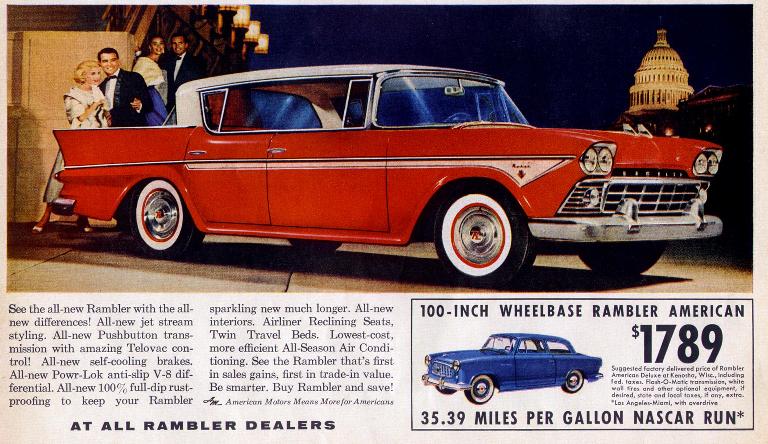
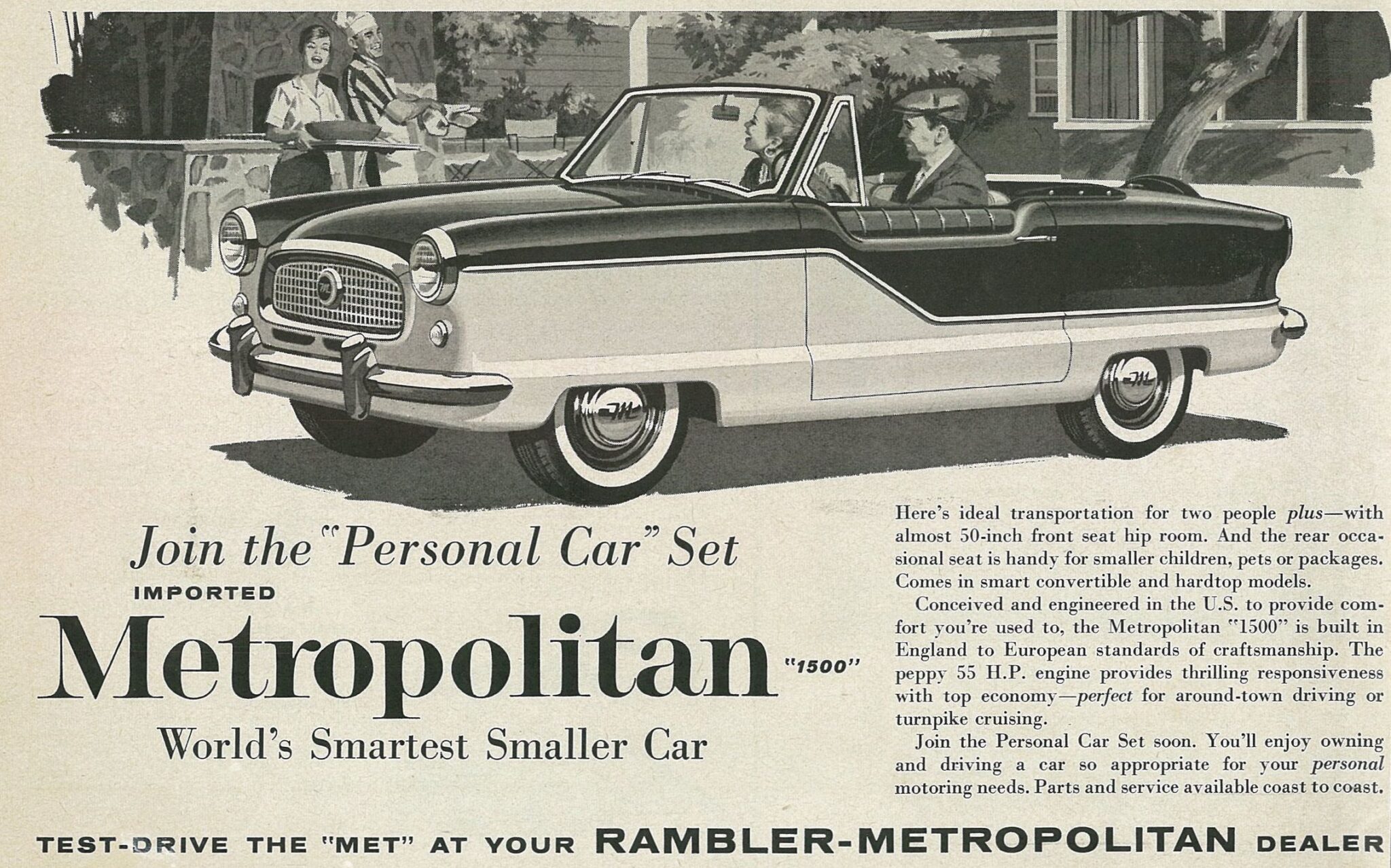
This is a 1958 Rambler advertisment. Rambler produced an affordable economy car for the average American. Photo Credit: American Motor Archive.
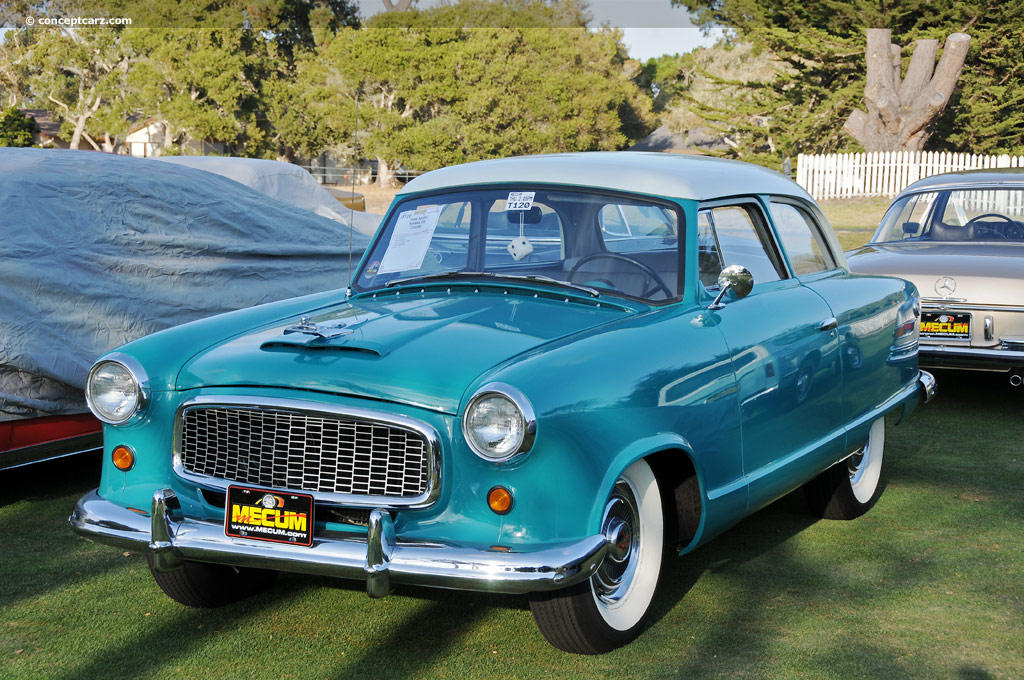
The 1955 Nash Rambler
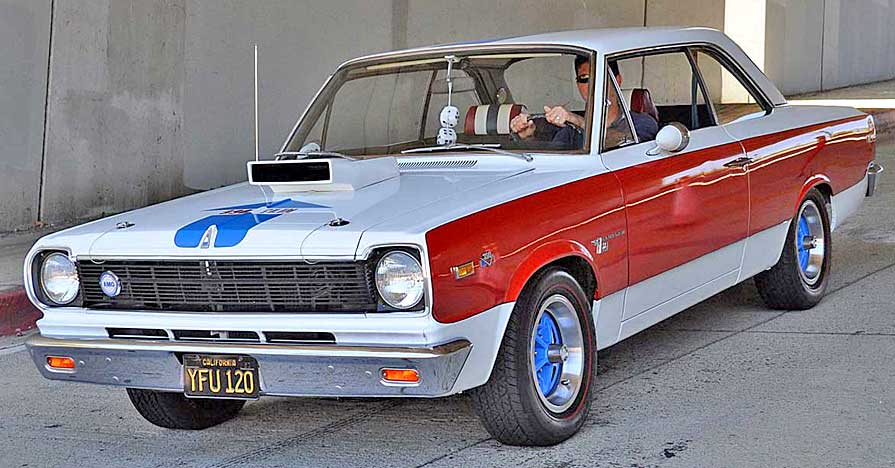
The 1969 Rambler SC, also known as a Scrambler, was Rambler's answer to the muscle car in the late 1960s.
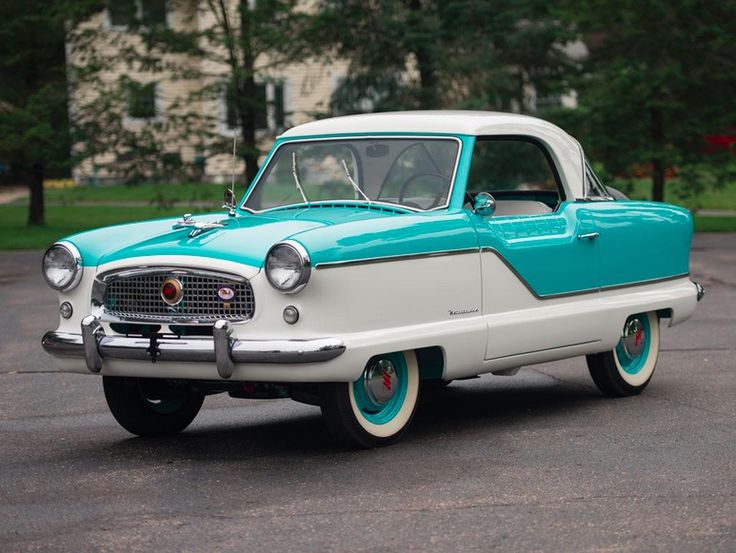
The Nash Metropolitan, a sister to the Nash Rambler, was a smaller two-seater car known for its economy.

- Log in to post comments