My trip to Japan in April 2026
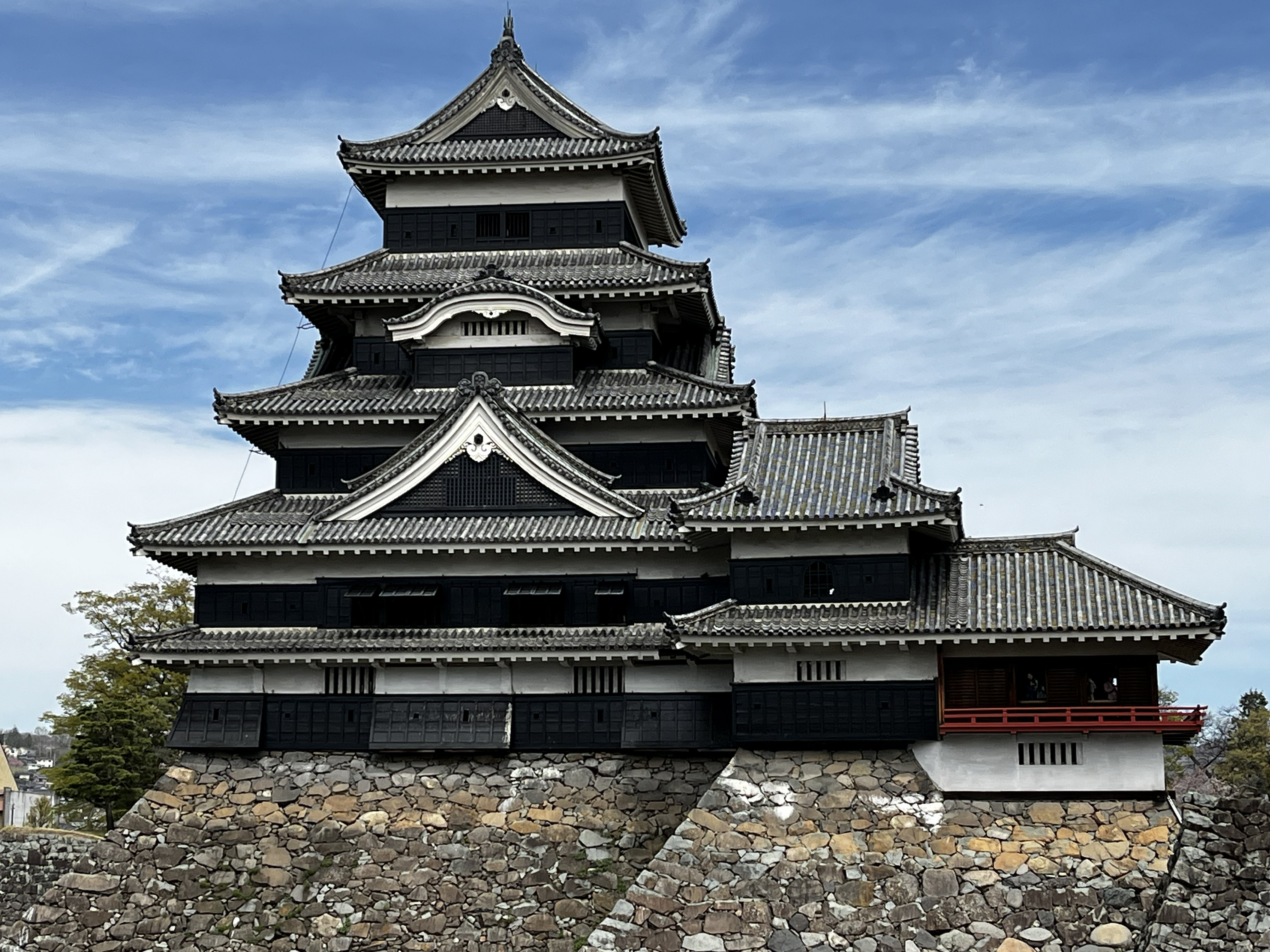
Matsumoto Castle
I traveled to Japan from April 8 to 20 this year. On the trip, I visited Tokyo, Nagano, Fukui, Kyoto and Hiroshima, and left from Osaka. Japan has an overall population of approximately 122 million. Most cities are densely populated, and the majority of the country’s population lives in urban areas. The Japanese people are very polite and respectful.
The country has one of the world's largest GDPs and is one of the United States’ closest allies, with the US having 15 major military bases in the country and 55,000 military personnel stationed there―more than in any other foreign country in the world. Needless to say, I felt comfortable and safe in Japan, honestly, even more so than I do in the United States. In this paper, the paragraphs will be organized by the cities I visited, my thoughts on them, and what I did there. The paper will conclude with my final thoughts on the overall trip.
The trip started in Tokyo on April 9, where I stayed for an evening and three days. I enjoyed my stay in Tokyo, although it was quite a culture shock to me because I had never seen so many people in my life, nor had I ever used any form of public transportation. For reference, the largest city I’ve been to in the United States is the Dallas-Fort Worth area, with a metroplex population of 8.48 million, while Tokyo’s metro area has roughly 37 million. In Tokyo and Japan in general, we used public transportation, including the subway, trains, buses and taxis. I was fascinated by the subway system for how efficiently it got us to where we wanted to go in the cities. It amazed me how the people who live there use it in their daily routines. While they obviously have cars and drive in Japan, you could easily travel just by using public transportation. In Tokyo, I visited three temples, took a cooking class, went to Akasaka Palace, the state guest house, a few restaurants, a cafe, and visited Shibuya Crossing. Shibuya Crossing is a popular tourist attraction because it is the world's busiest pedestrian intersection and a major commercial district in Tokyo. The state guest house, Akasaka Palace, has beautiful architecture and has accommodated several world leaders, including US presidents.
After Tokyo, my group and I traveled to Nagano. Nagano was my favorite city that I visited. Nagano City was a lot smaller than Tokyo, with an estimated population of 363,000. While in Nagano, I stayed at a monastery, visited the Snow Monkey Park, and visited Matsumoto Castle. At the monastery, I got to try a traditional monk’s meal, which was vegetarian. It was interesting to say the least, but I do not think I would try most of it again unless I had to. In the morning, we took a tour of the temple and saw the monks say their morning prayers and perform their daily routines. After leaving the monastery, we took a bus to the Snow Monkey Park, then hiked up the mountains to the hot springs where the monkeys were. I also tried a pizza at a restaurant there, and it was good, but it basically had no crust, so if you like thin-crust pizza, that’s about as thin as it could get. Matsumoto Castle was the favorite place I visited on the entire trip, which actually surprised me, but there was so much history there about the Edo period that I was just absolutely nerding out. I read every sign in the castle; it was just an amazing experience!
After leaving Nagano, we traveled to Eiheiji temple, Takefu Knife Village, and then to Fukui. Eiheiji Temple was a beautiful area in the mountains, very quiet and peaceful. Like at the temple in Nagano, I saw many monks and could not help but think about how this was their daily life and how that differed from the lifestyle and culture I’m accustomed to. So, my experience at Eiheiji temple was thought-provoking, yet the surrounding atmosphere was quite peaceful. After my group left Eiheiji Temple, we went to Takefu Knife Village, where I bought a knife for filleting fish, before heading to Fukui to stay the night. Fukui was even smaller than Nagano, with a population of a little over 250,000. When I visited Fukui, I stayed in a traditional Japanese inn and had a traditional Japanese meal, which was an interesting experience to say the least. The traditional Japanese meal was not what I would typically get at a Japanese restaurant in America, and I wish I could explain what it consisted of, but it was different, to say the least.
From Fukui, we traveled to Kyoto. Kyoto was Japan's capital before it was moved to Tokyo in 1868 during the Meiji Restoration, and has a population of roughly 1.53 million. I did most of my shopping in Kyoto, and I honestly did not explore much of the city other than the shops and restaurants. I did eat some really good food while in Kyoto and tried eel for the first time. I once again nerded out at a few of the stores I visited over the anime and gaming merchandise I found there. I visited one of the Pokémon centers in Kyoto, which was very nostalgic for me because I absolutely loved Pokémon as a child.
After Kyoto, we went to Hiroshima, the city I was most looking forward to seeing before this trip. Hiroshima has a population of roughly 1.2 million and was the first city the United States dropped a nuclear bomb on during World War II. By the time I got to Hiroshima, I had caught a cold, but this did not stop me from visiting the peace memorial or the museum. At the moment we arrived at the peace memorial, you could feel the tragedy that had befallen this city. Getting to see the Genbaku Dome, a building that survived the impact of the Little Boy nuclear bomb, was a surreal experience. Some of the images in the museum were horrific, showing the aftermath of the nuclear bomb. The picture that I found to be the most saddening was a picture of a little boy with burn scars so bad that his skin was peeling off. The museum was dedicated to showing the horrors of nuclear warfare and was committed to advocating that these types of weapons are never used again. Although the use of Little Boy in Hiroshima and Fat Man in Nagasaki led to the end of the war in the Pacific and with it World War II, I completely agree that nuclear weapons should never be used again in warfare.
On the last day of the trip, we left Hiroshima and went to Osaka. Osaka has a population of roughly 2.8 million people and is Japan’s third-largest city. I do not have much to write about Osaka because I went straight to the airport. From what I could see on the bullet train, it looked like a city I would like to visit if I ever get the chance to go to Japan again. The airport was fascinating because it was on an island built outside the city.
My overall opinion of my trip to Japan was that it was an amazing time! It was everything that I wanted and more. I am truly grateful that I went, and I could write a whole other essay on the people in my tour group. My fellow travelers were from the United States, Canada, Australia and New Zealand, so my tour group was not just Americans. The group’s guide was a very kind and informative Japanese woman. Most people in my group were quite a bit older than I was, but I felt that we got along really well. Most of them were well-traveled, which I absolutely loved because I got to hear so many different stories about their experiences and the places they had been. My fellow travelers and guide made my trip to Japan even better than it would have been if I had gone alone! I honestly miss them, but as one of them would say, “c'est la vie,’ or “that’s life.”
As for the people of Japan, I found them extremely polite and kind. There were times when I needed assistance, and people were willing to help me even if they spoke little to no English. I am truly grateful to have been able to go on this trip, and if given the opportunity, I will visit Japan again.
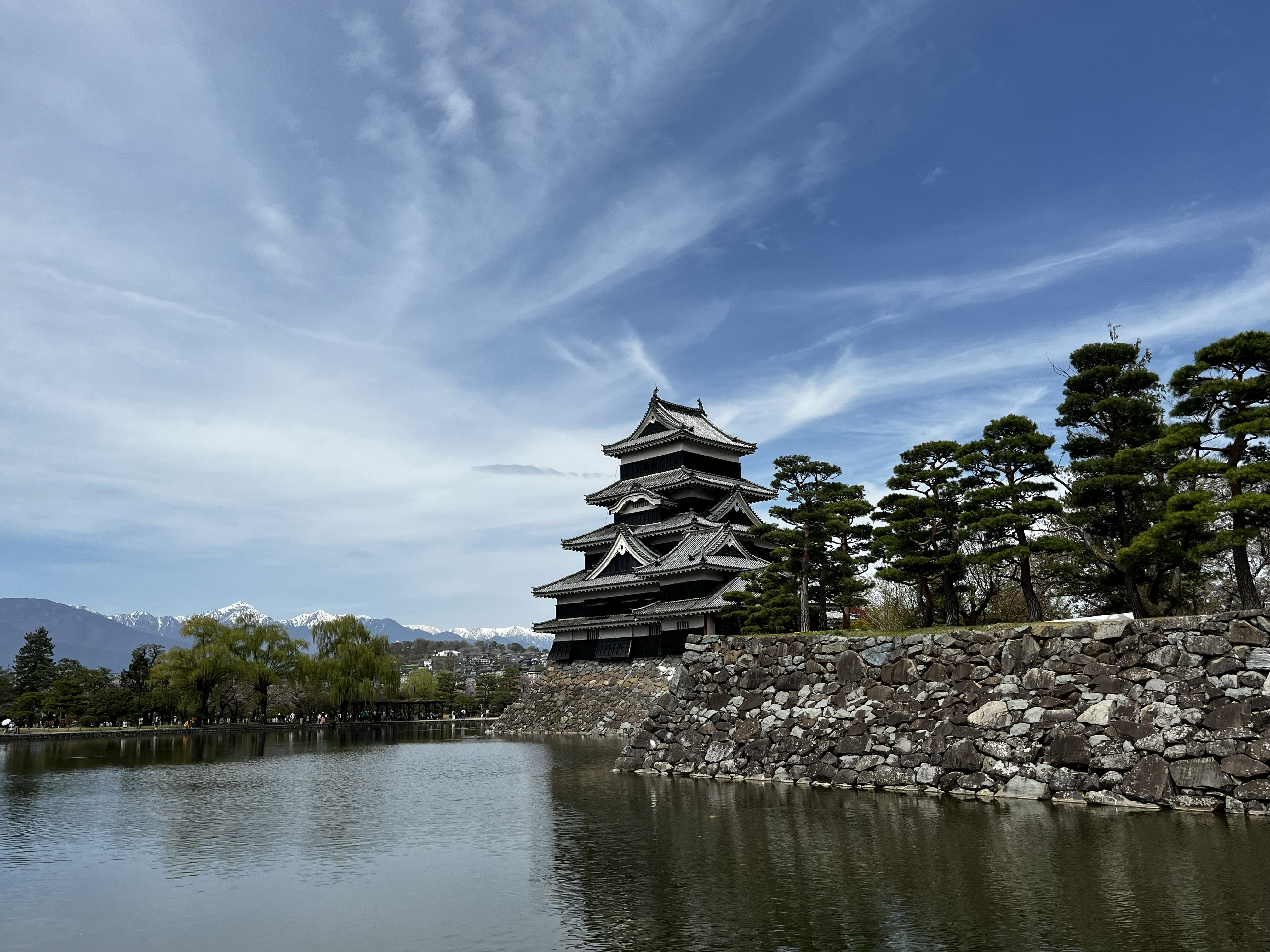
Matsumoto Castle
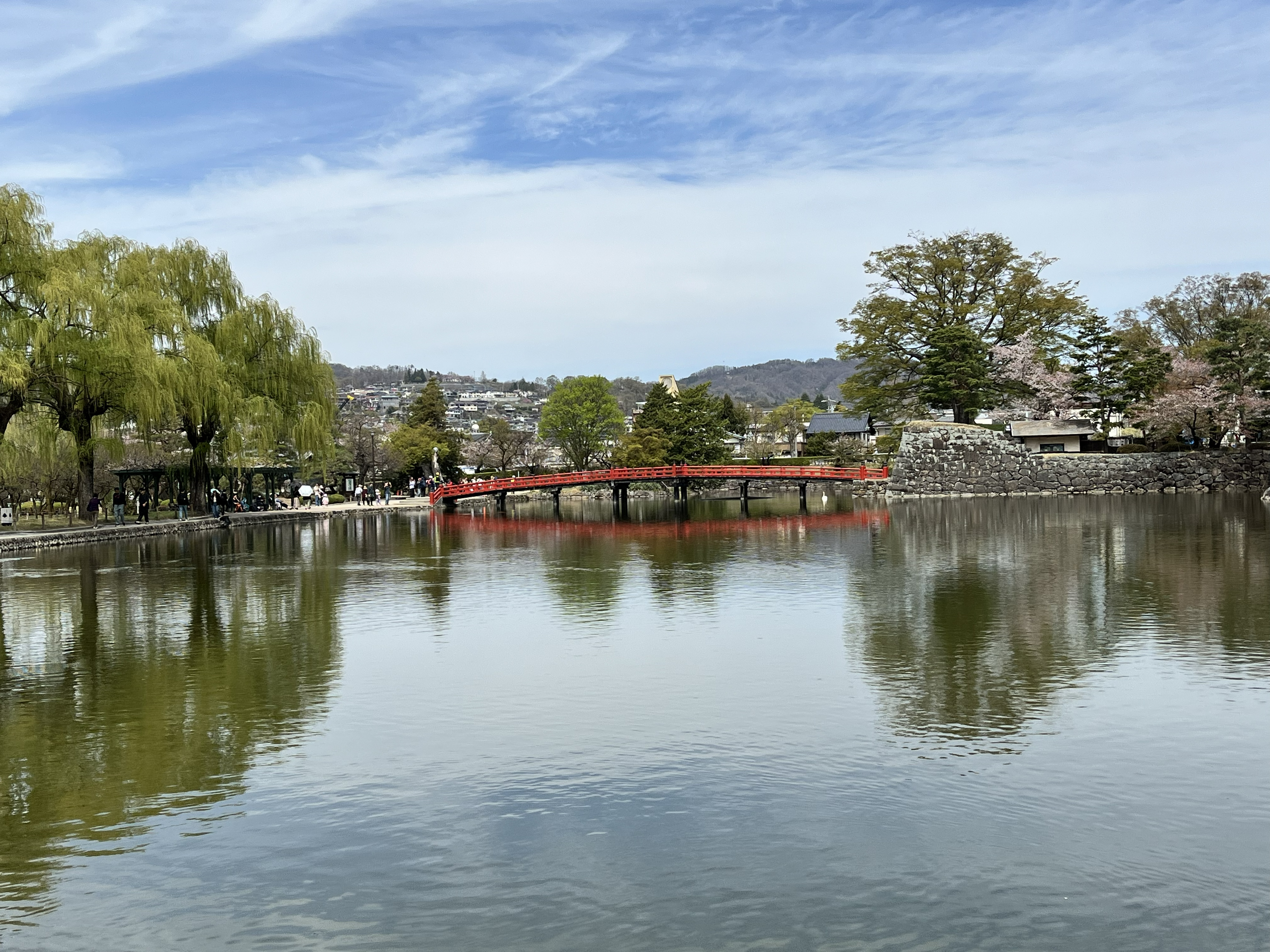
Lake and Bridge at Matsumoto Castle
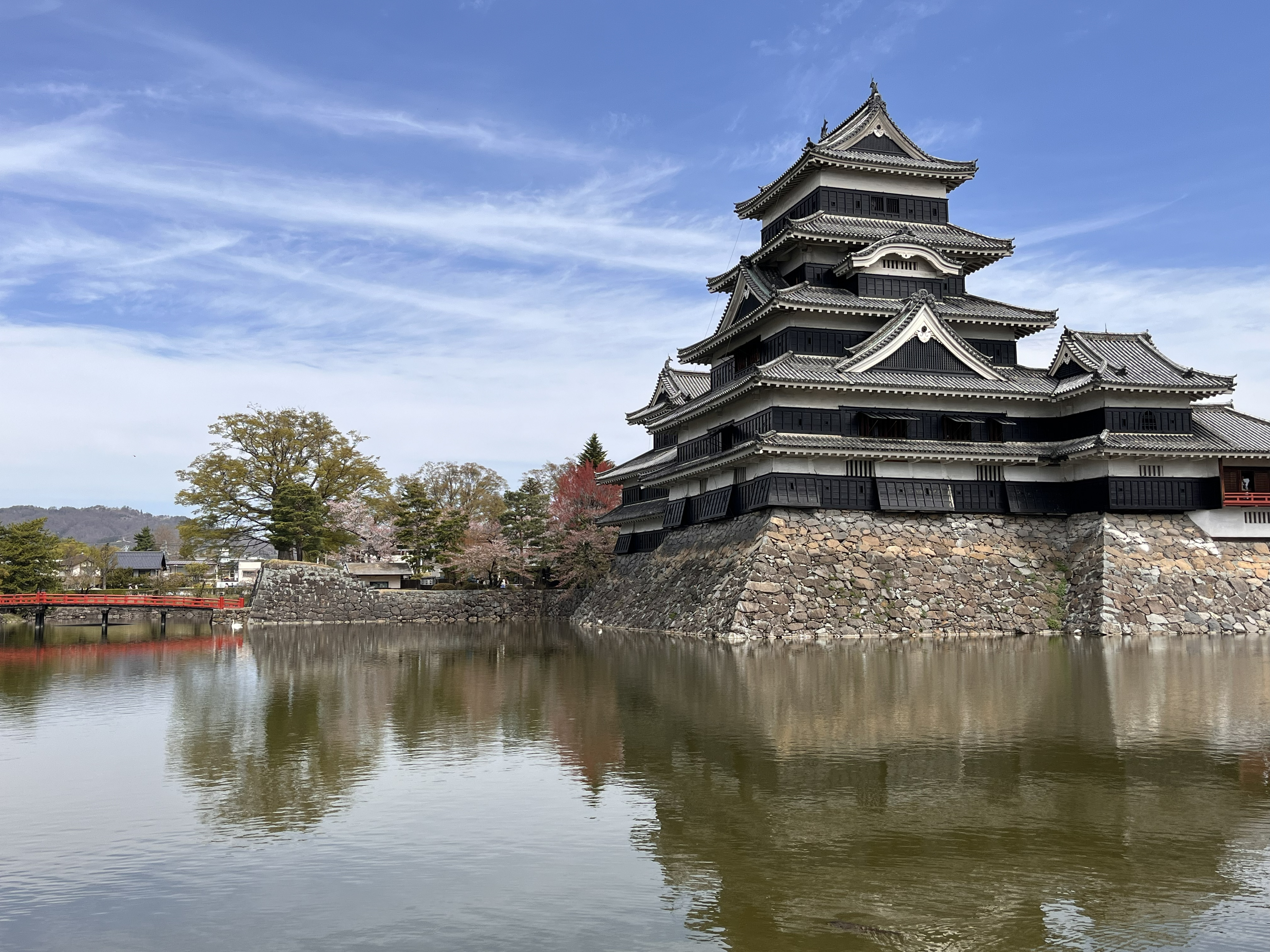
Matsumoto Castle

- Log in to post comments