The History of Manual Transmissions: From Three on the Tree to Six-Speeds
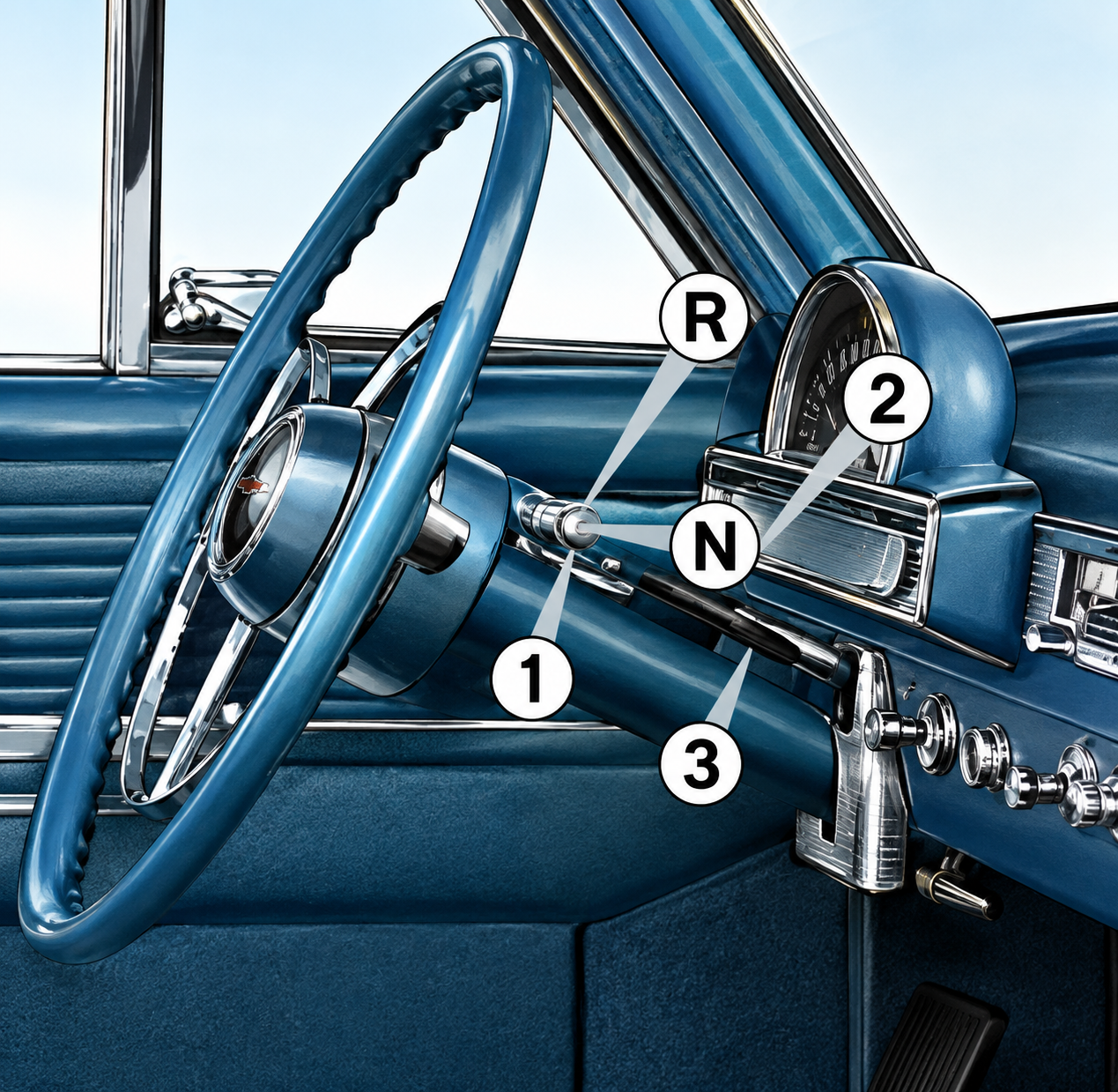
The classic “three on the tree” manual transmission was a familiar feature in American automobiles for decades, placing the gearshift on the steering column and leaving the floor space open for passengers. This design became an important part of automotive history, particularly during the mid-20th century, when three-speed manuals were standard equipment on many cars and trucks. Photo Credit: General Motors Archives. Remastered by Charlie Hamilton
Few things connect a driver to an automobile quite like a manual transmission. For generations, shifting gears, operating a clutch, and listening to an engine were essential parts of driving. From early automobiles to American muscle cars and modern sports cars, manual transmissions have played an important role in automotive history.
Manual transmissions began developing during the late 19th and early 20th centuries as engineers worked to make automobiles more practical. Early vehicles used basic mechanical gear systems that provided limited speeds and often required considerable skill to operate.
The clutch and gearshift became important advancements, allowing drivers to disconnect the engine from the transmission when changing gears or stopping. Early transmissions could be difficult to shift, and drivers sometimes had to match engine speeds carefully to prevent gears from grinding.
As technology improved, manual transmissions became more dependable and easier to operate, helping automobiles become practical transportation for millions of people.
During the first half of the 20th century, three-speed manual transmissions became common in American cars and trucks. Many featured a steering-column-mounted shifter, a design popularly known as “three on the tree.” This arrangement freed up floor space and worked well with front bench seats.
Other vehicles, particularly sports cars and performance models, used floor-mounted shifters. Drivers learned to coordinate the clutch and accelerator while shifting through the gears, making manual operation a fundamental driving skill.
An important advancement came with synchronized transmissions. Cadillac introduced a production synchromesh transmission for the 1929 model year, helping make shifting smoother and reducing the need for specialized techniques such as double-clutching.
By the 1950s and 1960s, four-speed manual transmissions became closely associated with American performance cars. As V8 engines grew more powerful, drivers wanted greater control over acceleration and engine speed.
Transmissions such as the Muncie, Ford Toploader, Borg-Warner, and Chrysler A-833 became popular among muscle-car enthusiasts. Paired with performance clutches and aftermarket shifters, these transmissions helped define the driving experience of classic muscle cars such as the Mustangs, Camaros, GTOs, and Road Runners.
For hot rodders and drag racers, selecting the right transmission was essential to putting engine power to the pavement.
During the 1970s and 1980s, rising fuel costs increased interest in efficiency. Five-speed manual transmissions became more common, often providing an overdrive gear that reduced engine speed during highway cruising.
By the 1990s and 2000s, six-speed manuals appeared in more performance vehicles. Improved synchronizers, stronger materials, and better gear designs delivered smoother shifting and greater durability. Today, six-speed transmissions remain popular in select sports cars and enthusiast vehicles.
What is the future of the manual transmission? Automatic transmissions have become increasingly popular because they offer convenience, smooth operation, and impressive performance. Meanwhile, electric vehicles generally do not require conventional multi-speed manual gearboxes.
Despite these changes, manual transmissions retain a loyal following among collectors, racers, and automotive enthusiasts. A classic four-speed muscle car or an older pickup with a three-speed gearbox represents a time when driving required mechanical skill and driver involvement.
From early gearboxes to modern performance transmissions, the manual transmission remains an enduring part of automotive history. For those who appreciate the satisfaction of a perfectly timed shift, its appeal goes far beyond simply changing gears.
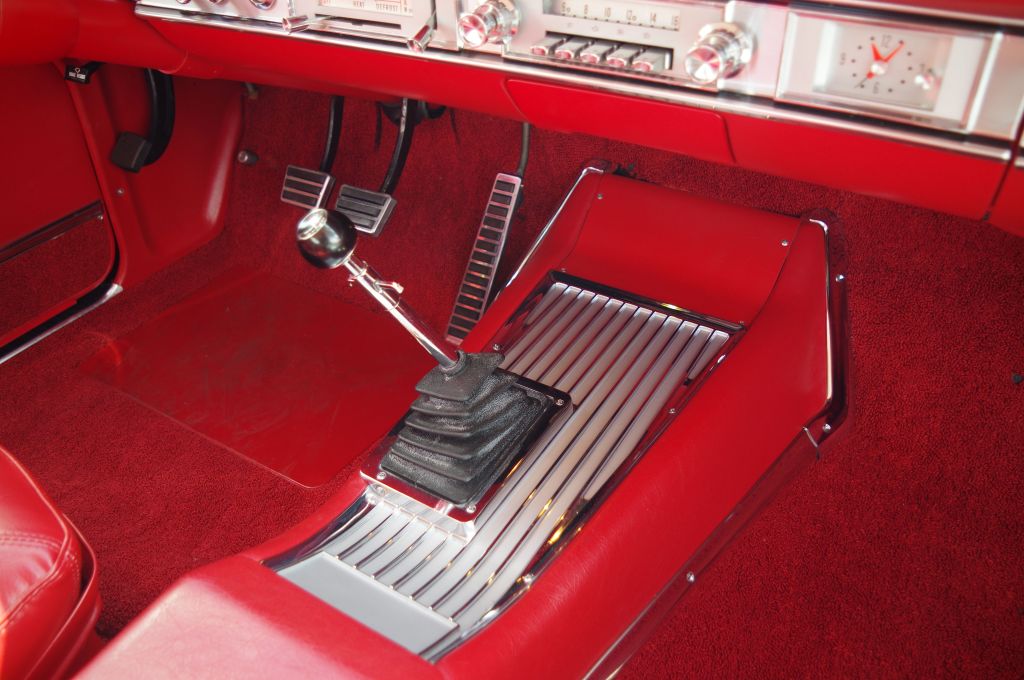
This is an image of a 4-speed manual transmission shifter in the floor console of a 1963 Ford Galaxie. The 4-speed manual transmission debuted in Ford passenger cars beginning in late 1961/1962. The 4-speed was available in heavy-duty trucks much earlier.
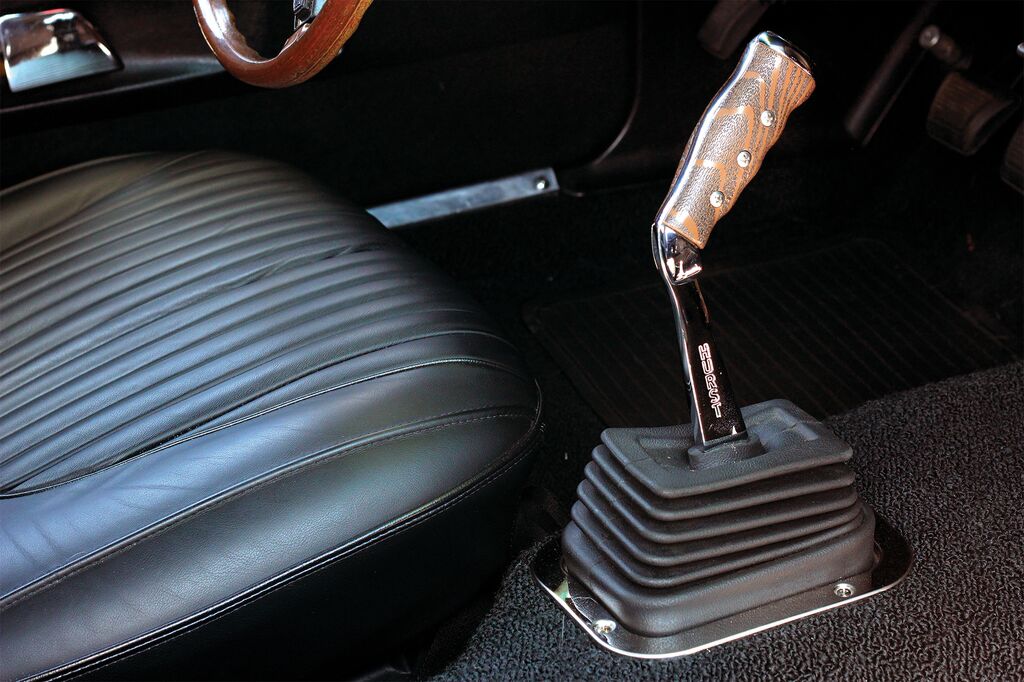
This is an image of a Hurst Pistol Grip 4 Speed Shifter in a Mopar. The pistol grip became famous in the late 1960s and early 1970s.
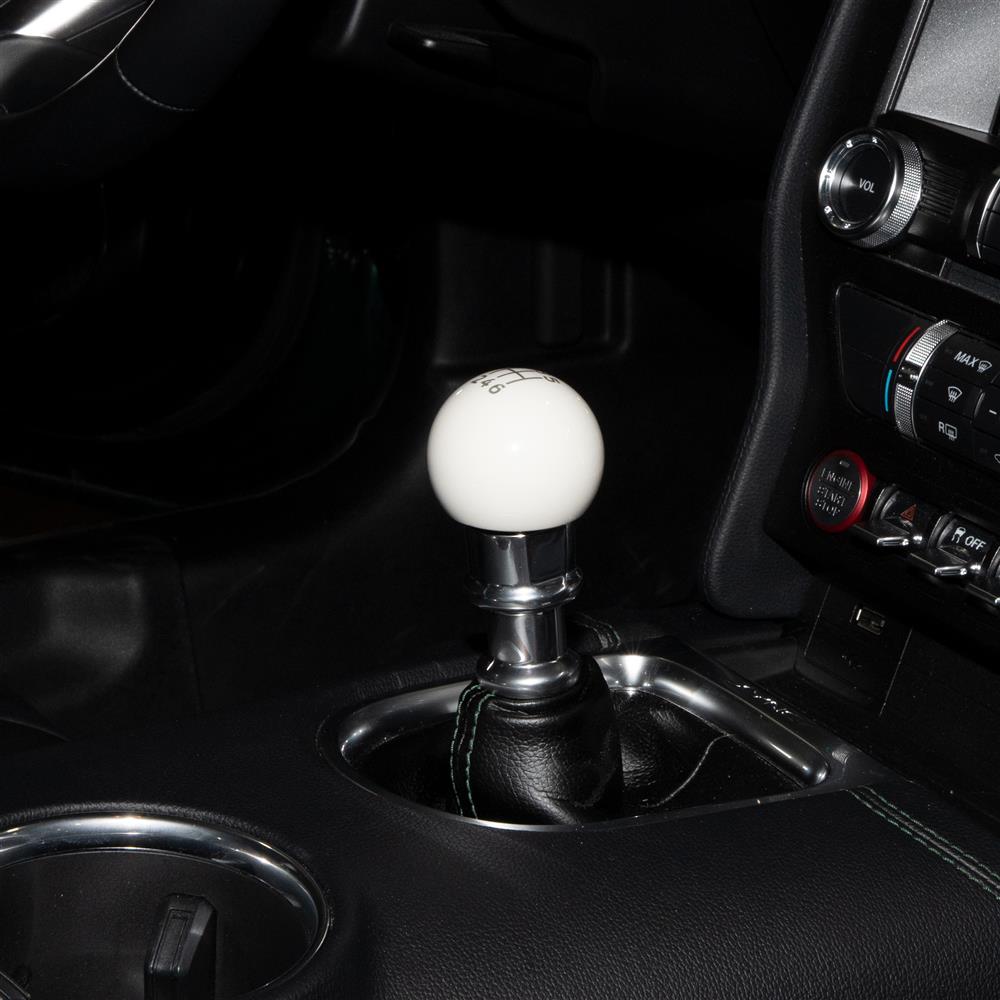
This is a 6-speed manual transmission shifter in a 2019 Ford Mustang. Manual transmissions are less common in cars today but are still available from several manufacturers. Long live the Manual Transmission.

- Log in to post comments