Engine Camshafts: The History, Evolution, and Different Types
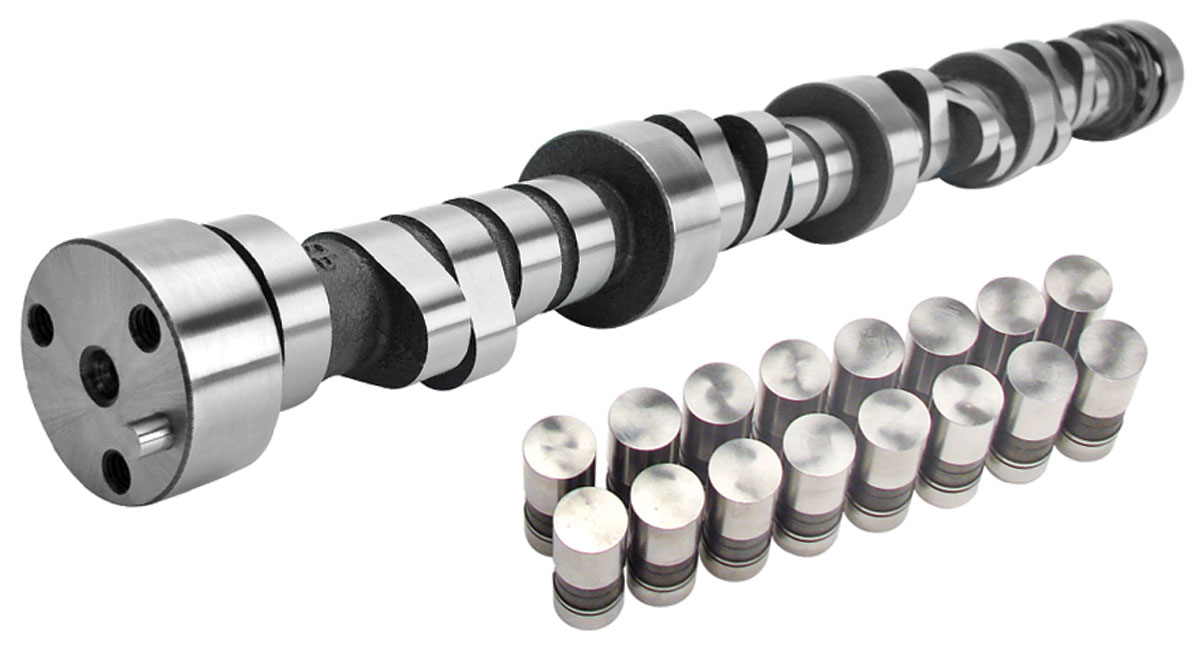
The camshaft is the heart of an engine's performance, controlling valve timing and helping determine where an engine makes its power. Whether it's a street cruiser or a full-blown race engine, choosing the right camshaft makes all the difference!
The camshaft has played an important role in the development of the internal combustion engine for well over a century. Although it may not receive as much attention as horsepower ratings, cylinder heads, or carburetors, the camshaft is one of the most influential components in determining how an engine performs. From early automobile engines to today's high-performance racing engines, camshaft technology has continued to evolve, helping produce more horsepower, torque, and efficiency.
The history of the camshaft dates back to the early development of gasoline-powered automobiles in the late 1800s and early 1900s. Engineers needed a reliable way to control the opening and closing of engine valves, and the camshaft provided the solution. As engine technology advanced, manufacturers developed improved valve arrangements and camshaft designs. Over time, overhead-valve engines became especially popular in American automobiles, making the camshaft a critical component in both everyday driving and performance applications.
So, what exactly does a camshaft do? Simply put, it controls the timing of an engine's intake and exhaust valves. As the camshaft rotates, specially shaped lobes push against lifters, which transfer movement through pushrods and rocker arms in a traditional overhead-valve engine. This opens the valves, allowing the air and fuel mixture into the combustion chamber and exhaust gases to escape. The timing, distance, and duration of these movements have a tremendous impact on engine performance.
There are several different types of camshafts available, each designed for specific applications. One of the most common designs in traditional American V8 engines is the hydraulic flat tappet camshaft. It uses flat-faced lifters that ride against the camshaft lobes. Hydraulic lifters automatically compensate for normal valve-train clearance, eliminating the need for routine valve lash adjustments. These camshafts have been popular for decades because they are affordable, offer good street manners, and are available in a wide variety of performance grinds.
Another traditional design is the mechanical flat tappet camshaft, commonly known as a solid lifter cam. Unlike hydraulic lifters, solid lifters require periodic valve lash adjustments. These camshafts are popular in performance and racing applications because they provide precise valve control at higher engine speeds. Many classic muscle cars and racing engines used solid lifter camshafts to produce impressive horsepower.
As technology advanced, roller camshafts became increasingly popular. Hydraulic roller camshafts use lifters equipped with small rollers that follow the camshaft lobes rather than sliding directly across them. This reduces friction and allows for more aggressive camshaft profiles. They are widely used in modern performance engines because they offer excellent power potential, good street drivability, and reduced wear when properly installed.
For serious racing applications, mechanical roller camshafts offer another level of performance. Using solid roller lifters, these camshafts can handle aggressive valve timing and high engine speeds. They are commonly found in drag racing and competition engines, although they require careful installation, compatible valve-train components, and regular maintenance.
When selecting a camshaft, several specifications should be considered. Lift determines how far the valves open, while duration measures how long they remain open. Lobe separation angle influences valve overlap, idle characteristics, and the engine's overall power curve. Together, these specifications determine where an engine makes its power throughout the RPM range.
Choosing the right camshaft is about more than selecting the biggest lift or longest duration available. Engine displacement, compression ratio, cylinder heads, intake manifold, exhaust system, transmission, rear-end gearing, and vehicle weight all play important roles. A camshaft designed for a high-RPM drag racing engine may perform poorly in a street-driven classic car.
Whether you're building a traditional flathead engine, inline 6, a small-block Chevrolet, or a modern performance engine, the camshaft remains one of the most important decisions in an engine build. From the early days of the automobile to today's competitive racing engines, camshaft technology continues to shape the way engines make power. The secret to a successful combination isn't necessarily having the biggest camshaft in the catalog; it's choosing the one that works best with the entire engine.
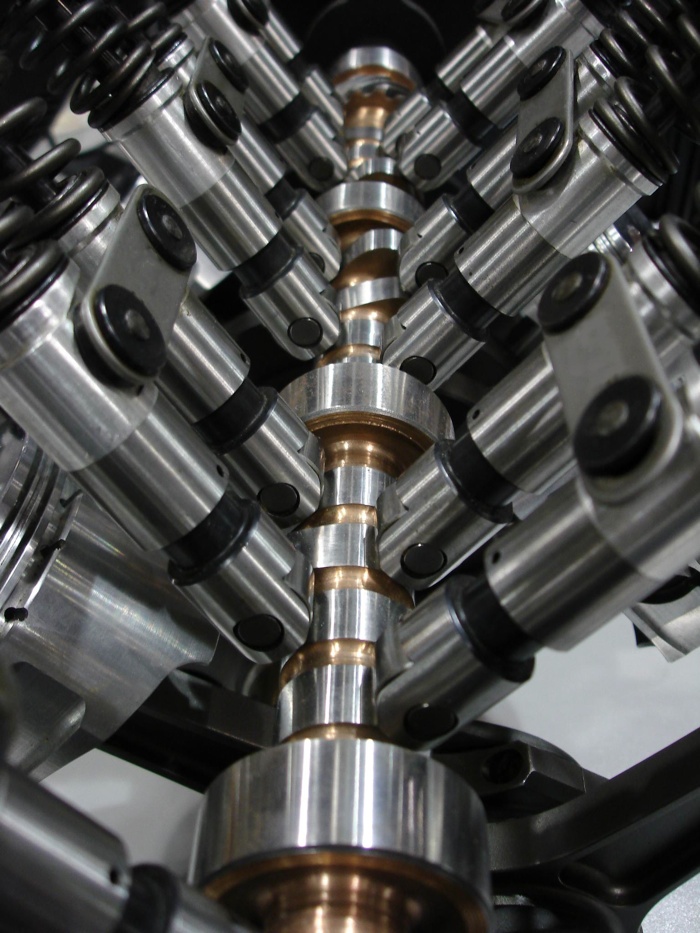
The image here shows what a camshaft looks like inside a traditional V8 Engine. The example here is a camshaft with roller lifters that ride on each camshaft lobe, which opens and closes both the intake and exhaust valves in the cylinder heads via the pushrods and rocker arms.
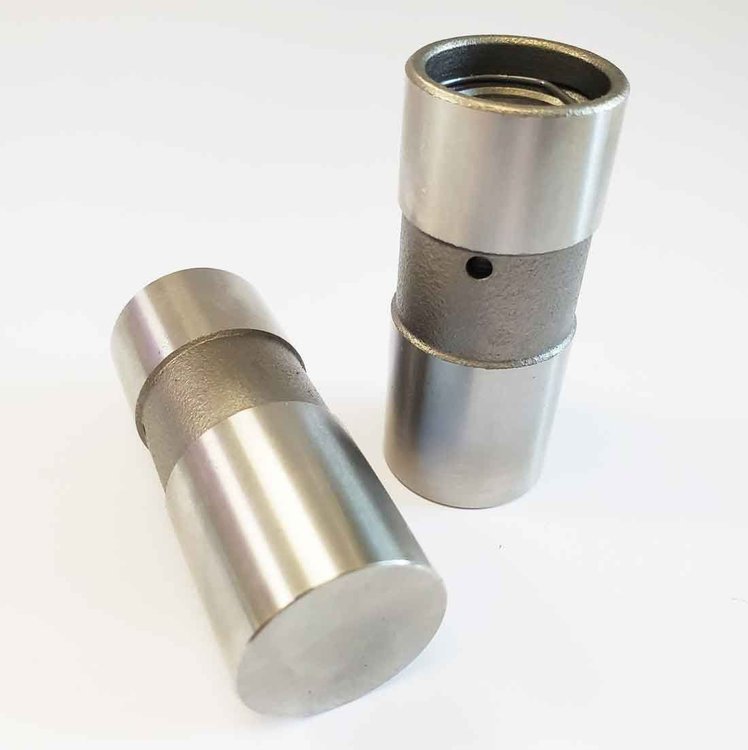
The image here shows a flat tappet hydraulic lifter that uses a spring and plunger inside the lifter, which operates by engine oiling and fluid pressure that pumps the lifter during engine operation.
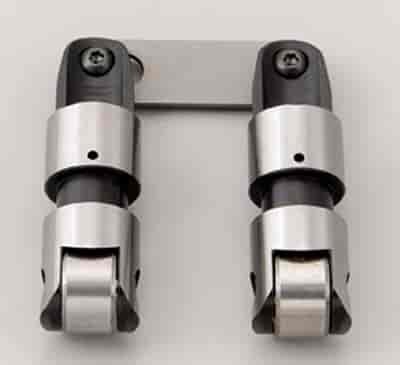
The image here is a roller lifter. This type of lifter uses rollers, which require less friction when riding on the camshaft lobe. Roller lifters are known for their durability but cost significantly more than a traditional flat tappet lifter. These lifters are more efficient and support a more radical lift and duration on a camshaft design.
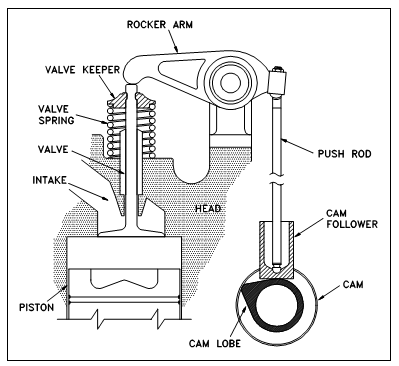
This image is a diagram from Engine 101 that demonstrates the function of a camshaft, lifter, pushrod, and rocker arm on a traditional overhead valve engine. Image Credit: Engine 101.

- Log in to post comments