The Elephant Engine: Inside the Legendary Mopar HEMI
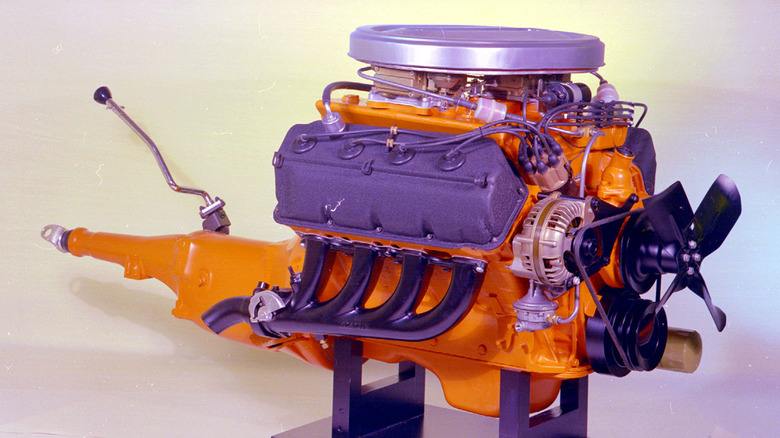
The 426 HEMI, introduced in 1964 as the 2nd-generation HEMI engine, was built to dominate racing with its hemispherical combustion chambers and unmatched airflow. Nicknamed “The Elephant” for its size and power, it ruled all forms of motorsports and streets. The HEMI engine became one of the most legendary V8 engines in American muscle car history. (Image from Chrysler Corporation)
Few engines in automotive history have earned the legendary status of the Mopar HEMI. Instantly recognizable by its massive valve covers and thunderous exhaust note, the HEMI engine represents the pinnacle of American muscle, racing dominance, and engineering innovation. From NASCAR and drag strips to street-legal muscle cars, the HEMI has become a symbol of raw power, durability, and mechanical excellence.
The name “HEMI” comes from the hemispherical combustion chamber design, a dome-shaped chamber that allows for larger valves, improved airflow, and more efficient combustion. This design enables the engine to breathe better at high RPM, producing impressive horsepower while maintaining exceptional strength. Chrysler engineers originally explored hemispherical combustion chamber technology in aircraft engines during World War II before adapting it for automotive performance.
Chrysler introduced its first automotive HEMI engine in 1951 with the FirePower series. Originally developed for luxury vehicles, the engine quickly proved its performance potential on the racetrack. Displacements included the 331, 354, and eventually the legendary 392 cubic inch versions. By the late 1950s, the 392 HEMI was dominating drag racing, marine racing, and land-speed competition. These engines became favorites among hot rodders due to their rugged construction, cross-bolted main caps, and massive torque output.
The most famous HEMI arrived in 1964 with the introduction of the 426 Race HEMI. Developed for NASCAR competition, the engine made such overwhelming power that it was temporarily banned until Chrysler agreed to offer it in production vehicles. In 1966, the legendary Street HEMI was born. Rated at 425 horsepower, a figure widely believed to be understated, the 426 featured dual four-barrel carburetors, a forged steel crankshaft, and massive cylinder heads. Installed in icons such as the Dodge Charger, Plymouth Road Runner, Super Bee, and Barracuda, the 426 HEMI instantly became the king of the muscle car era and earned the nickname “The Elephant Engine” due to its massive size and strength.
After a long absence, Chrysler revived the HEMI name in 2003 with a modern generation of engines built for performance, emissions compliance, and everyday reliability. The new lineup included the 5.7-liter, 6.1-liter, and 6.4-liter HEMI engines, along with the supercharged 6.2-liter Hellcat variant producing over 700 horsepower in factory trim. Modern HEMIs feature aluminum heads, coil-on-plug ignition, variable valve timing, and advanced engine management systems while still retaining the hemispherical-inspired combustion design and unmistakable Mopar attitude.
The HEMI legacy is deeply rooted in motorsports. The 426 HEMI dominated NASCAR superspeedways in the 1960s and became the foundation of NHRA Top Fuel and Funny Car racing, where a 500-cubic-inch HEMI-based engine remains the standard to this day. HEMI engines have also powered countless land-speed record holders at Bonneville and continue to thrive in circle track, marine, and drag racing competition around the world.
The Mopar HEMI stands apart for its exceptional airflow, incredible strength, massive aftermarket support, proven racing pedigree, and timeless muscle car appeal. Whether it is a vintage 392 FirePower, a street-driven 426, or a supercharged Hellcat, the HEMI remains one of the most respected and feared engines ever built.
From the golden age of drag racing to modern supercharged street monsters, the Mopar HEMI engine has defined performance for more than seventy years. It is more than just an engine; it is a symbol of American horsepower, innovation, and racing heritage. As long as there are burnouts to be made and records to be broken, the legend of the HEMI will continue to roar.
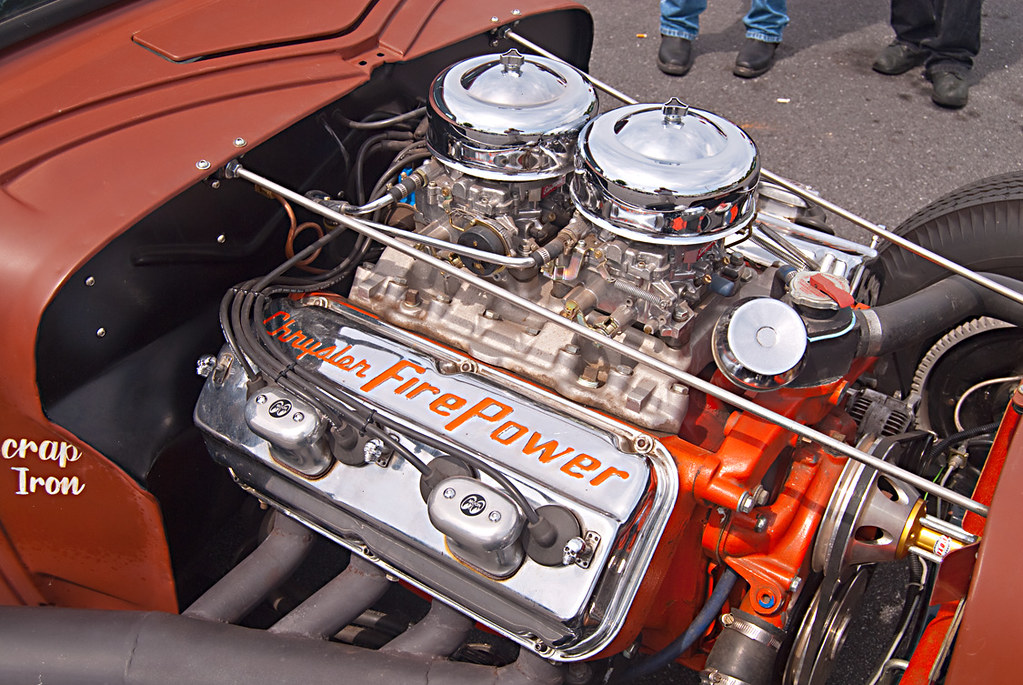
Classic Chrysler "Firepower" on display. The Chrysler FirePower HEMI, first introduced in 1951, delivers legendary performance with unmistakable hot-rod style. The image shown here is an example of this engine topped with dual carbs, blending vintage style with legendary performance.

- Log in to post comments