The Edsel: American Innovation at the Wrong Time
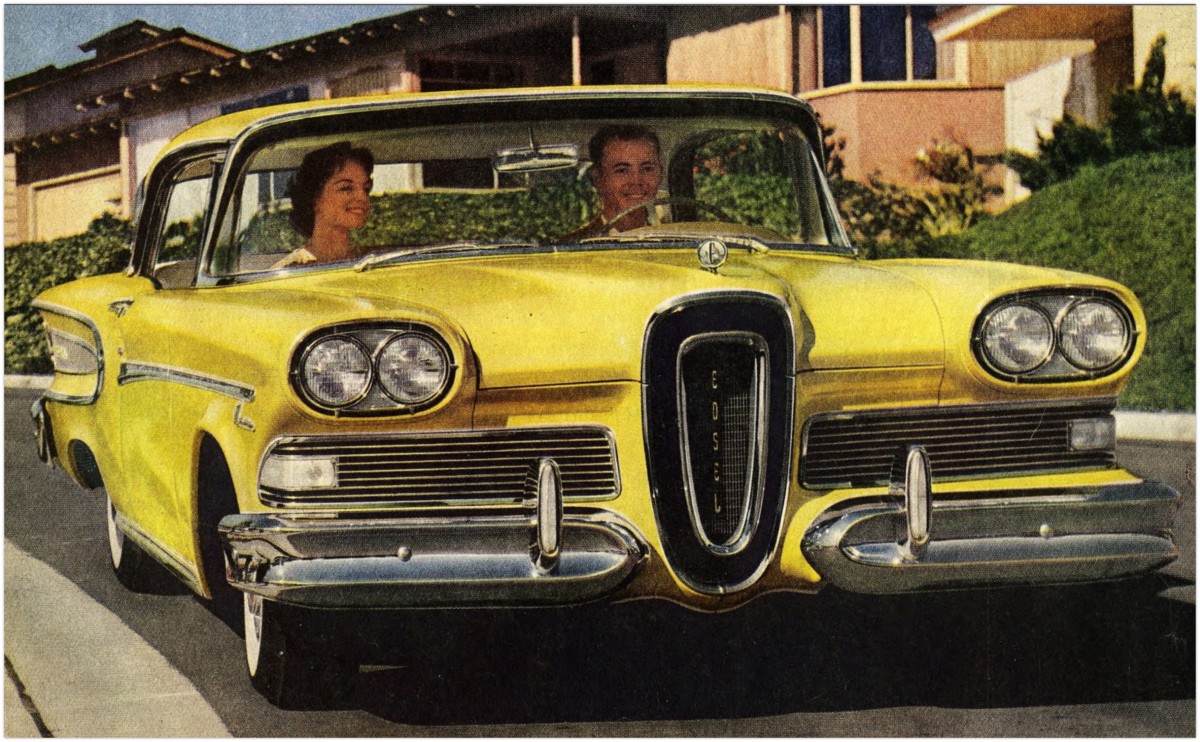
The Edsel by Ford Motor Company may be remembered as one of the biggest automotive failures of the 1950s, but it was also a car filled with innovative ideas. From its distinctive grille to its Tele-Touch transmission, self-adjusting brakes, safety restraints, childproof door locks, and electric trunk release, the Edsel introduced features that would become familiar in automobiles decades later. Picture Credit: Ford Motor Company Archives
When the Edsel was introduced in 1957, Ford Motor Company believed it had created a car that would become one of America’s most successful new automobiles. Instead, the Edsel became one of the most famous unsuccessful gambles in automotive history. Although the Edsel disappeared from production after only a few years, its unusual styling, innovative technology, and place in American automotive history have made it a highly collectible classic car today.
Ford developed the Edsel during the prosperous 1950s, when Americans were buying larger, more powerful, and more stylish automobiles. Ford wanted a new brand positioned between Ford and Mercury. The company believed there was room in its lineup for another division capable of competing with General Motors and Chrysler products.
The Edsel was named after Edsel Ford, the son of Henry Ford and former president of Ford Motor Company. Ford spent millions of dollars developing and marketing the new automobile. The company conducted extensive market research and promoted the Edsel as a revolutionary new automobile. Ford even built a separate dealer network to sell it.
When the 1958 Edsel arrived, its styling immediately attracted attention. Its most recognizable feature was its large vertical grille, sometimes compared to a horse collar. The car also featured distinctive taillights and body design that differed from other Ford products.
While the Edsel became famous for its appearance, it was actually ahead of its time in technology and safety features. One of its most famous innovations was the Tele-Touch automatic transmission, which placed transmission controls in the center of the steering wheel for easy access. The Edsel also offered self-adjusting brakes, safety restraints, childproof rear door locks, and an electric trunk release. Features that seemed unusual or unnecessary to many buyers in the 1950s would eventually become common in modern automobiles. In many ways, the Edsel demonstrated that Ford was willing to experiment with technology even if the public was not yet ready for it.
Unfortunately for Ford, the Edsel entered the market at exactly the wrong time. The American economy entered a recession in 1958, and consumers began moving away from large, expensive automobiles. Buyers also had difficulty understanding exactly where the Edsel fit within Ford’s lineup. Some models were expensive, while others were too similar to existing Ford and Mercury products.
Sales were far below Ford’s expectations. Despite improvements, an aggressive advertising campaign, and new models for 1959 and 1960, the Edsel never gained enough popularity to survive. Ford discontinued the Edsel after the 1960 model year. Fewer than 120,000 Edsels were produced.
The failure cost Ford millions of dollars and became a major lesson in automotive marketing. However, history has been much kinder to the Edsel than consumers were in the 1950s. Today, surviving Edsels are prized by collectors because of their unusual styling, limited production, and innovative features.
The Edsel may have been a commercial failure, but it was far from a technological failure. Its story reminds us that being ahead of your time does not always guarantee success, but innovation strives for a better future.
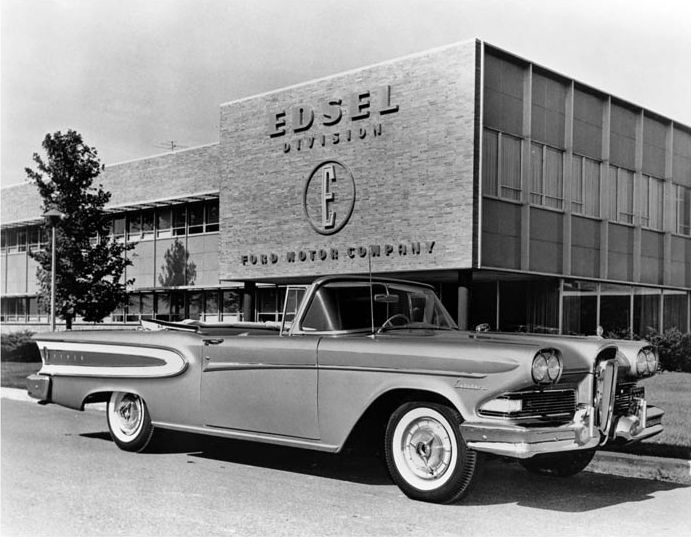
1957 Edsel in front of the Edsel Division Headquarters in Dearborn, Michigan. Picture credit: Ford Motor Company
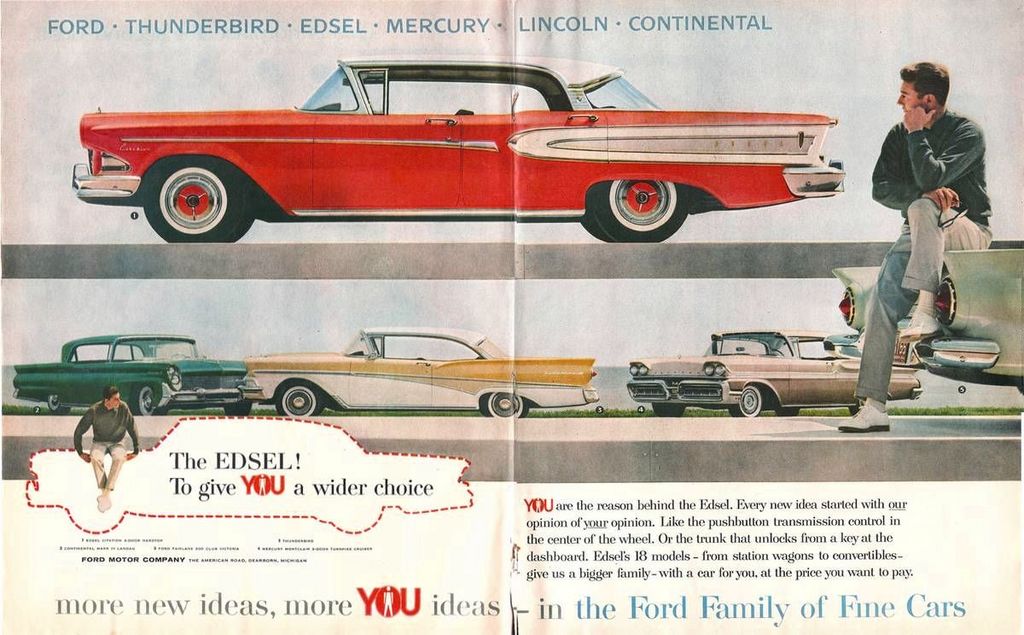
With millions spent on advertising and a massive campaign designed to build excitement, Ford made the Edsel one of the most anticipated cars of the 1950s. But when it finally arrived, the car struggled to live up to the enormous expectations.
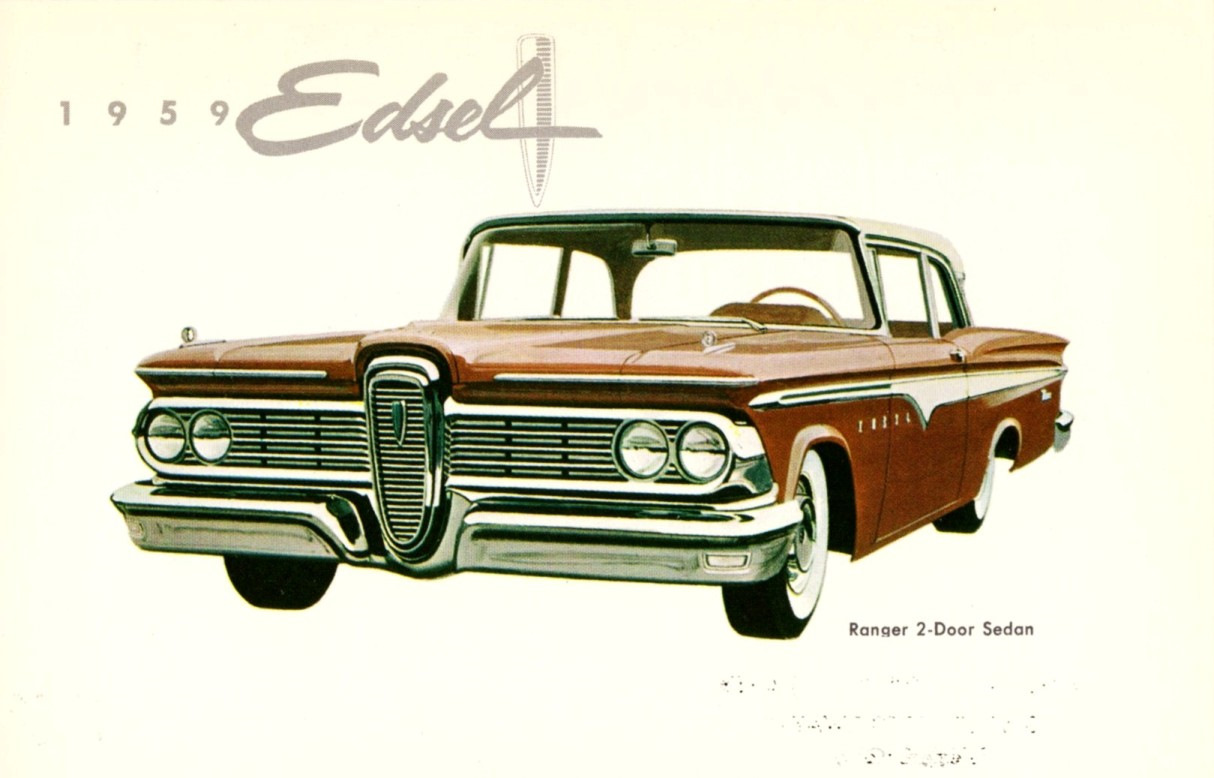
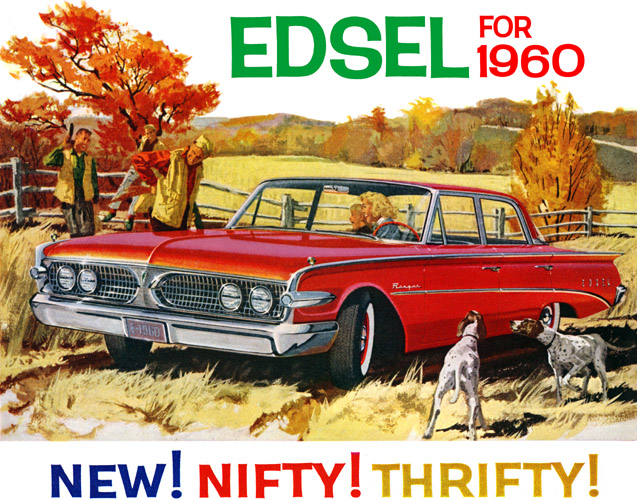
After disappointing sales in 1958 and 1959, Ford finally pulled the plug on the Edsel after the 1960 model year. Fewer than 120,000 Edsels were produced before the brand disappeared. The Edsel was gone—but its story would live on as one of the most famous chapters in American automotive history.

- Log in to post comments