After The Fall: Tree Leaf Management
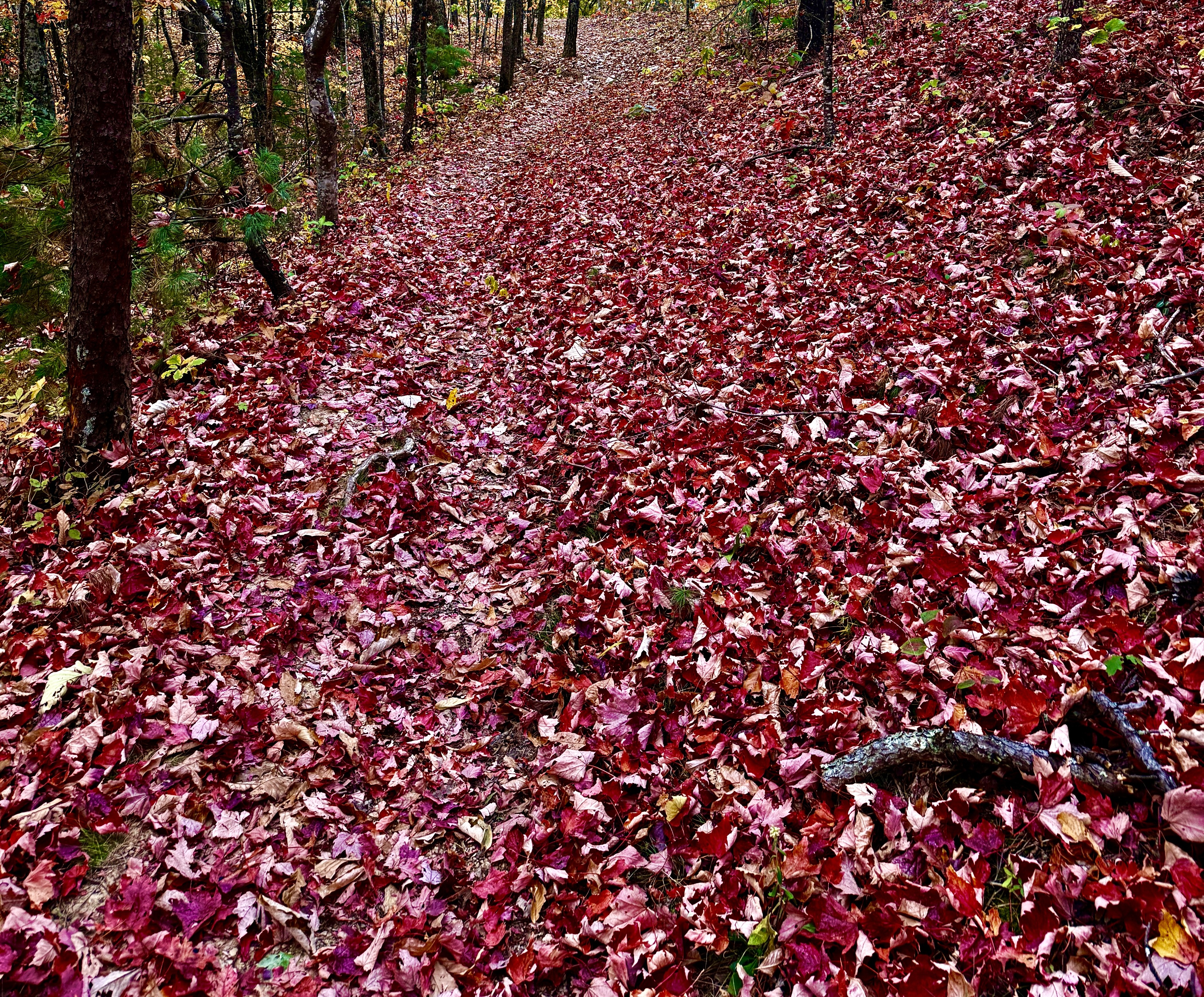
After the leaves drop in Autumn there are several approaches to dealing with the yard cleanup which can be beneficial
By Steve Roark
Cumberland Gap National Historical Park
After the thrill of autumn coloration is gone, those who have yard trees must deal with the bushels of leaves when they fall off. An acre of trees in a forest can produce over 2 tons of leaves each year, and I think my yard trees can beat that estimate.
Dealing with yard leaves is troublesome, what with the raking, bagging, and hauling. In my younger days everybody burned their leaves, but in many places that’s now illegal. Plus, the smoke can strain neighborhood relations. So, the trend is to bag up leaves and get them to a landfill, which makes it fill up faster. Perhaps we should all consider the lemonade from lemons approach and tap into fallen leaves as an excellent material to feed or mulch your lawn, garden, or flower beds.
In the forest, leaves form a natural carpet that conserves soil moisture, moderates temperature, and prevents soil erosion and crusting. Over time, fungi and bacteria decompose the leaves, supplying surrounding plants with a natural slow-release fertilizer. Leaves contain 50 to 80 percent of the nutrients that plants extracted from the soil, so establishing an annual leaf management program can tap into those benefits. Here are some options to consider:
The Mowing Option: A light covering of leaves can be mowed, leaving the shredded material in place on the lawn. This technique is most effective when a mulching mower is used. You can leave up to 3/4 inches of finely shredded leaves on the lawn without harm because the leaves settle down through the blades of grass and decompose, returning nutrients to the soil. With heavy leaf accumulations, something will need to be done with the excess, which brings me to the Mulching Option. Mulch retains soil moisture and inhibits weed growth, and leaves make a good mulch in vegetable gardens, flower beds and around shrubs and trees, but there is a catch. The leaves need to be shredded so they won’t form a soggy mat or blow away. Probably the simplest way to shred leaves is to run over them with a lawn mower a couple of times. If you have a bagger on your machine, collection is a breeze. If not, mow around and around your yard perimeter, always aiming the chute towards the middle until you have a windrow of shredded leaves you can rake up. There are leaf blower/vacs that will shred and collect leaves as well. A 2–3-inch layer of shredded leaves works nicely as a mulch that will feed your plants as it decomposes.
With the Soil Improvement Option, shredded leaves can be dug directly into garden and flower bed soils. It will improve organic content, which in turn improves aeration and water holding capacity. Fall is a good time to work leaves into the soil and adding a little fertilizer will hasten their decomposition.
Finally, there is the Composting Option. Shredded leaves can be piled in the corner of the garden and left to decompose and eventually produce compost, the absolute best fertilizer you can have. It’s critical to shred the leaves so they will break down quicker. Shredded leaves can also be added to a compost bin to provide a good mix with kitchen waste to make fast compost.

- Log in to post comments