348 to 409: The Untold Story of Chevrolet’s First Big-Block
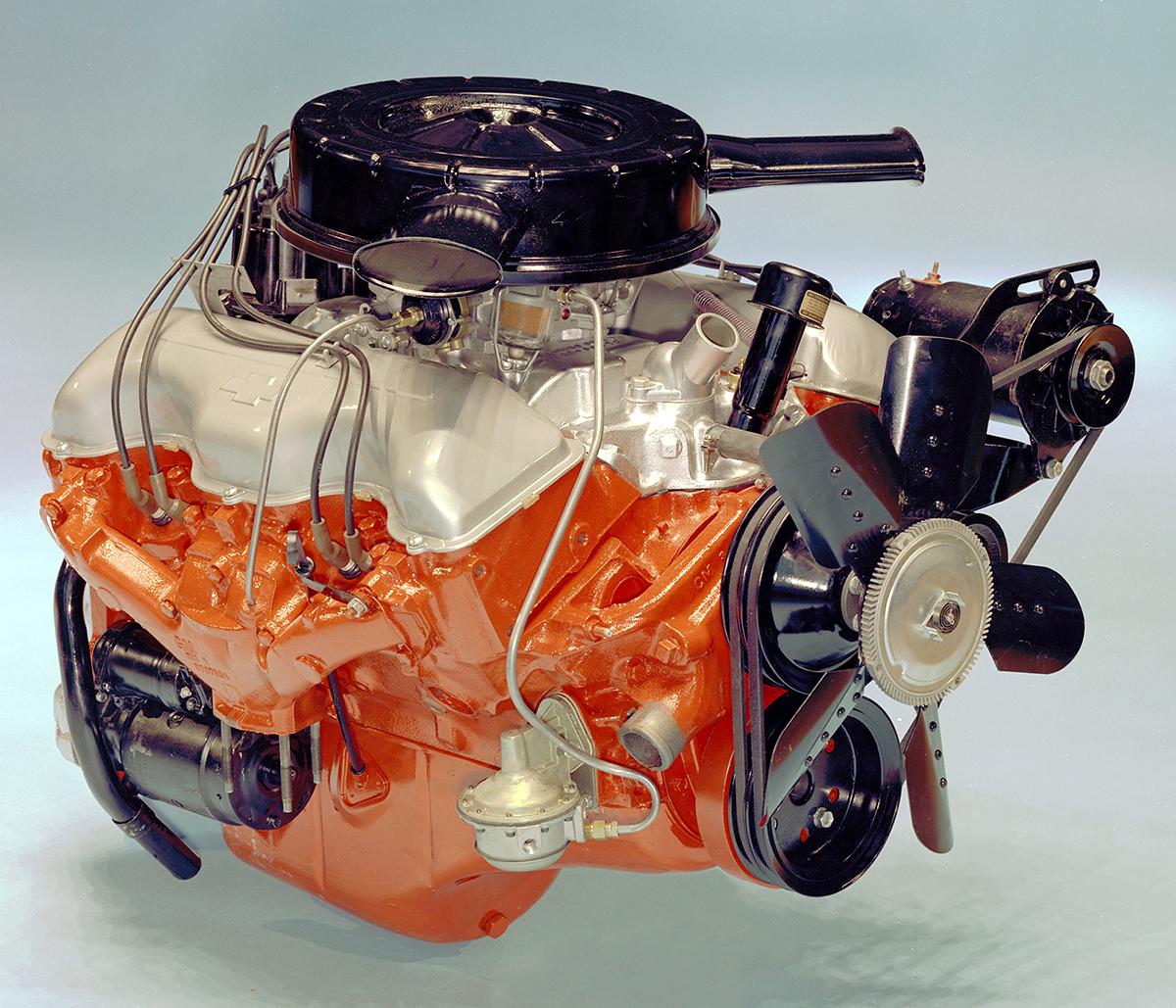
Chevrolet’s legendary 409 W-engine helped launch the golden age of American muscle, delivering massive torque, race-winning performance, and a sound that became immortalized in hot-rodding culture. From drag strips to Beach Boys fame, the mighty 409 remains one of the most iconic big-block engines ever built. Picture from General Motors Archive.
The Chevrolet W engines mark the birth of Chevrolet’s big-block performance era and stand among the most legendary powerplants in American automotive history. Produced from 1958 through 1965, the W-series engines were bold, innovative, and brutally powerful for their time. Long before the famous 396, 427, and 454 Mark IV big-blocks took over drag strips and racetracks, the W engines had already established Chevrolet as a serious performance contender.
In the mid-1950s, Chevrolet engineers recognized the need for more displacement and torque to compete with Ford’s growing big-block offerings. Their solution was an entirely new engine family built on a massive block design. Introduced in 1958, the first W engine displaced 348 cubic inches and powered Chevrolet’s full-size lineup during the height of the late-1950s horsepower wars. The engine family earned its nickname from the distinctive “W” shape formed by the valve covers and the block's unique angled deck surfaces.
The W engine featured an unconventional design that set it apart from anything else on the road at the time. Instead of using a traditional wedge-shaped combustion chamber in the cylinder head, Chevrolet engineers placed the combustion chamber in the block itself. The cylinder heads were nearly flat, and the pistons were sculpted with domes that formed part of the combustion chamber. This unusual layout produced excellent low-end torque and outstanding durability, making the W engine ideal for heavy full-size cars, drag racing, and stock-car competition.
The original 348 quickly gained a reputation for power and reliability. It was offered in a wide range of configurations, from mild family sedans to factory hot rods. High-performance versions included a 250-horsepower single four-barrel, a 280-horsepower Tri-Power setup, and even a 315-horsepower fuel-injected option. The 348 became an instant favorite among racers and helped establish Chevrolet as a dominant force in American performance.
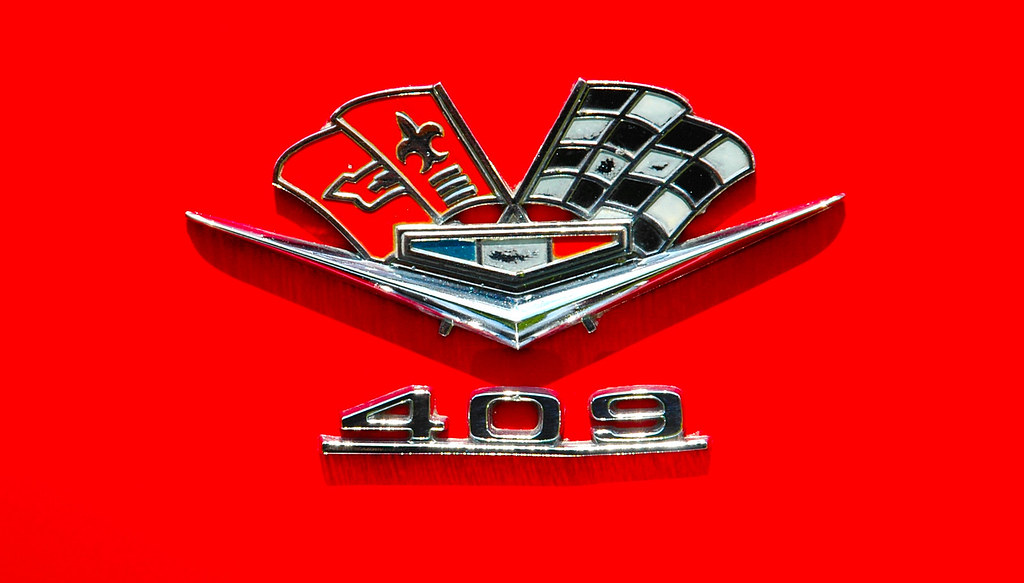
In 1961, Chevrolet introduced what would become one of the most famous engines of the muscle car era: the 409. With its massive displacement and brutal torque, the 409 was offered in several high-performance versions ranging from 360 horsepower to the legendary 425-horsepower dual-quad configuration. The engine was immortalized in popular culture by The Beach Boys’ hit song “409,” which famously proclaimed, “She’s real fine, my 409.” The song became an anthem of early-1960s street racing culture and helped turn the engine into a symbol of American hot-rodding. Installed in full-size Chevrolets, the 409 delivered shocking acceleration and quickly dominated Super Stock competition.
The W engines also proved themselves on the racetrack. In NASCAR, the 409-powered Chevrolet won multiple victories and championships in the early 1960s. On drag strips across America, 348s and 409s became feared competitors, especially in full-size Super Stock classes. Drivers such as Dyno Don Nicholson and factory-backed Chevrolet teams helped cement the W engine’s reputation as a winner.
The ultimate evolution of the W engine came in 1963 with the introduction of the 427 Z11. This factory race package was designed solely for drag racing and featured aluminum cylinder heads, an aluminum intake manifold, 13.5:1 compression, and dual four-barrel carburetors. Although officially rated at 430 horsepower, the Z11 was widely known to produce far more. Only about 50 were built, making them among the rarest and most valuable Chevrolet engines ever produced.
By 1965, Chevrolet replaced the W engine family with the more modern Mark IV big-block design, beginning with the 396. The new engine featured wedge-shaped combustion chambers in the heads and superior breathing capability, quickly taking over performance duties. However, the W engines had already secured their place in history.
Today, the Chevrolet W engines remain icons of early muscle car performance. Restored 348 and 409 cars are highly prized by collectors, and original Z11 cars regularly command seven-figure prices at auction. More importantly, the W engine represents the moment Chevrolet truly entered the big-block horsepower wars and never looked back.
The Chevrolet W engine family was bold, innovative, and unapologetically powerful. From the first 348 to the legendary 409 celebrated in song, and the mythical Z11 427, these engines helped define the golden age of American performance. Before the 396, before the 427, and before the 454, there was the W — and it roared.
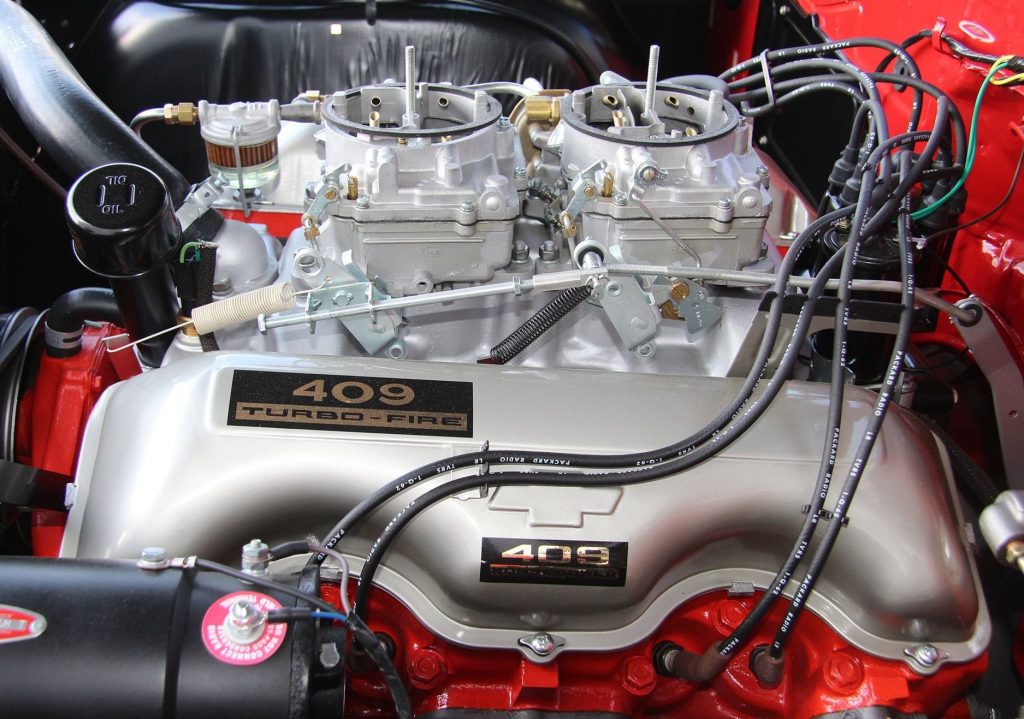
This image is a Chevrolet 409 engine in a 1962 full-size Chevrolet. A big-block icon that delivered brutal torque, drag-strip dominance, and the soundtrack of early muscle car America. The mighty 409 could be found in Chevrolet’s full-size lineup, including the Impala, Bel Air, Biscayne, and the rare high-performance 409 Super Sport models.
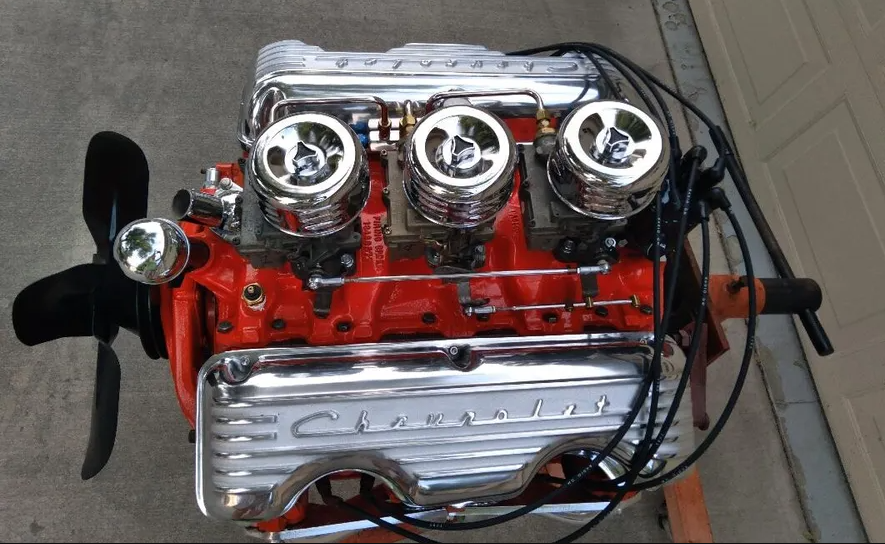
Originally introduced as Chevrolet’s first big block for passenger cars and trucks, the 348 laid the foundation for the famous 409. This hot-rodded example keeps that golden-era spirit alive with a vintage Tri-Power setup and polished, aluminum-finned valve covers. The perfect blend of old-school performance and timeless style. Nothing says late-’50s and early-’60s horsepower quite like a dressed-out W-Motor.
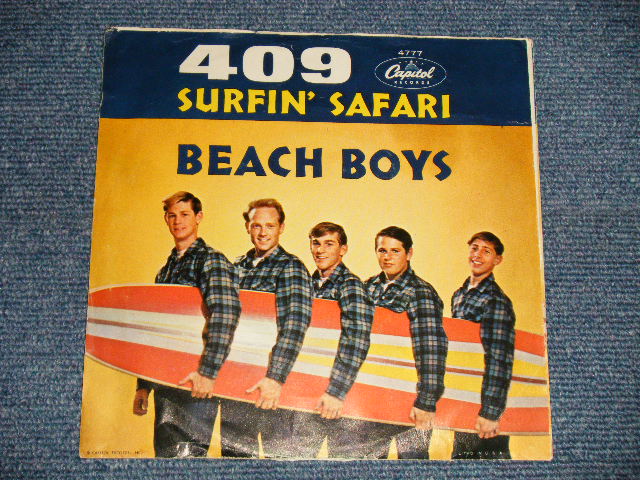
The soundtrack of America’s horsepower revolution. The Beach Boys’ “409” song from 1962 captured the excitement of early 1960s drag racing culture and helped turn Chevrolet’s legendary 409 W-Motor into a household name.

- Log in to post comments