Why All the Fall Colors?
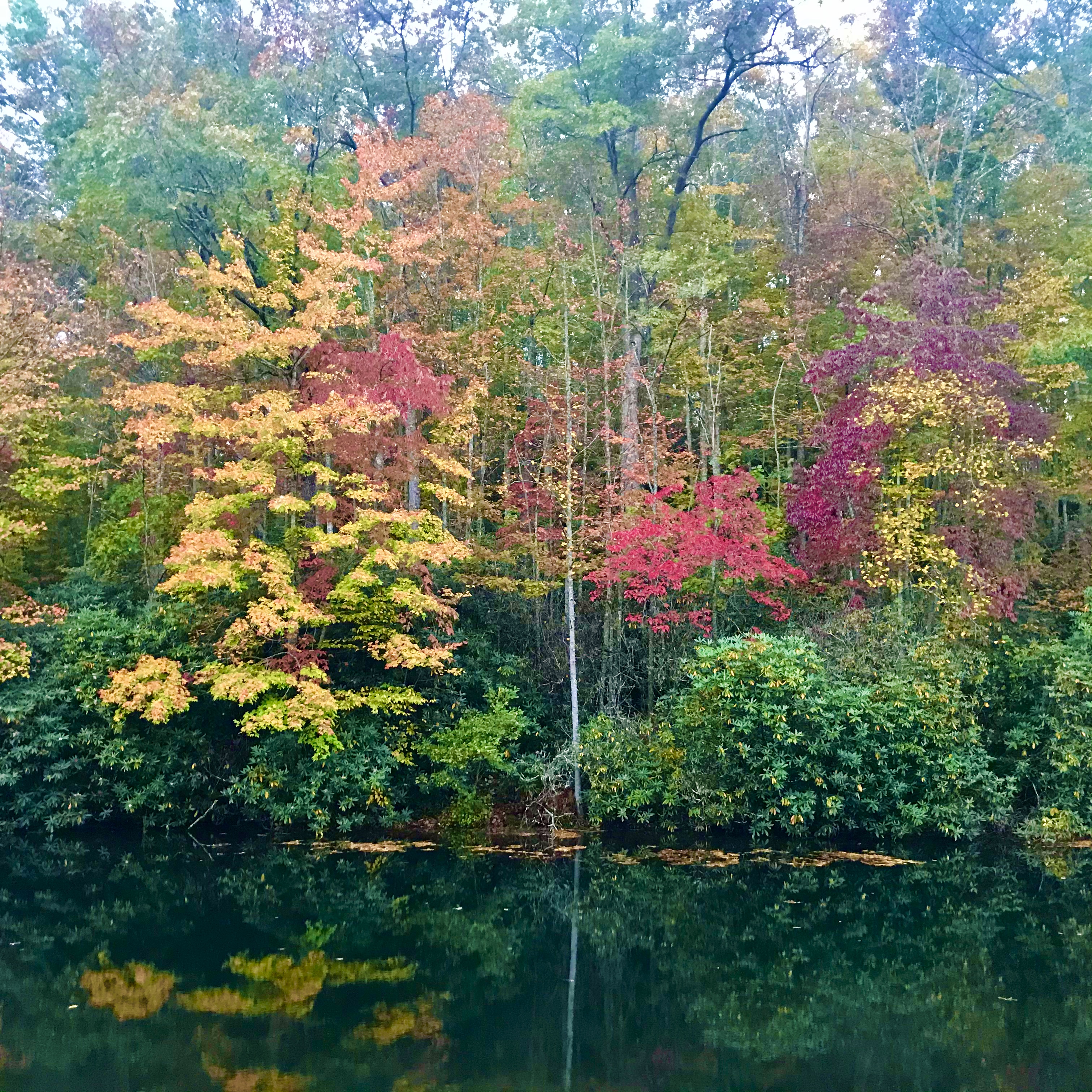
Our area is noted for its Fall colors, which are caused by a series of specific events that are impacted by weather trends.
By Steve Roark
Volunteer Cumberland Gap National Historical Park
After a long hot summer my favorite time of year is finally here, with its balmy days, cool nights, and eventual forest color display that everyone looks forward to. If you ever wonder why leaves change color, here’s the latest scoop.
From science class you know that a tree leaf is green because it contains a group of pigments known as chlorophyll. These are so abundant during the summer that the green color hides any other pigments present. Chlorophyll has the life giving function of catching the sun's energy and using it to manufacture food and building materials for plants. During this process the chlorophyll breaks down but is constantly replaced during the growing season.
As Autumn approaches, chlorophyll is replaced at a slower rate and is gradually used up. As the supply of chlorophyll dwindles, the green color slowly fades, exposing other pigments in the leaf cells. One group of these pigments is the carotenoids, which give leaves a yellow, brown, and orange color
The reds and purples that occur in autumn foliage come from another group of pigments called anthocyanins. These develop in late summer when nutrients, especially phosphate, begin to move out of the leaf into the branches for winter storage. Anthocyanin production is influenced by the amount of light the leaves receive. When autumn days are bright and cool, and the nights chilly but not freezing, the red and purple colors are very prominent.
Anthocyanin coloration shows up in red maple, oaks, sourwood, sweetgum, dogwood, blackgum, and persimmon. The carotenoids give bright yellow and orange color to the leaves of hickory, ash, sugar maple, poplar, birch, cherry, sycamore, sassafras, and alder. In many leaves both pigments combine to give an amazing variety of colors.
Though it varies from season to season, peak color in our area usually occurs around the third to last week of October. How good the colors will be this year is hard to predict, especially with the extended heat we had during September. Soil moisture has been highly variable, with dry areas already losing their leaves. So my prediction is there will be regions of good color while others will be on the dull side.

- Log in to post comments